Albarracín: One of the Most Beautiful Towns in Spain
We were having a good time in Barcelona when it hit us. We’ve never been to Aragon! Hence, we decided to visit Albarracín, one of the most beautiful towns in Spain. Fortunately for us, this marvelous place is not so popular with the masses so we had a fantastic experience.
Located in southern Aragon along the main road that connects Zaragoza and Valencia, it remains an off the beaten track destination. If like us you visit in early autumn, you might be lucky and have it to yourself. Though Albarracín has outstanding architecture, nature is gorgeous too. What’s more, the town is known for its incredible treks.
General Outline
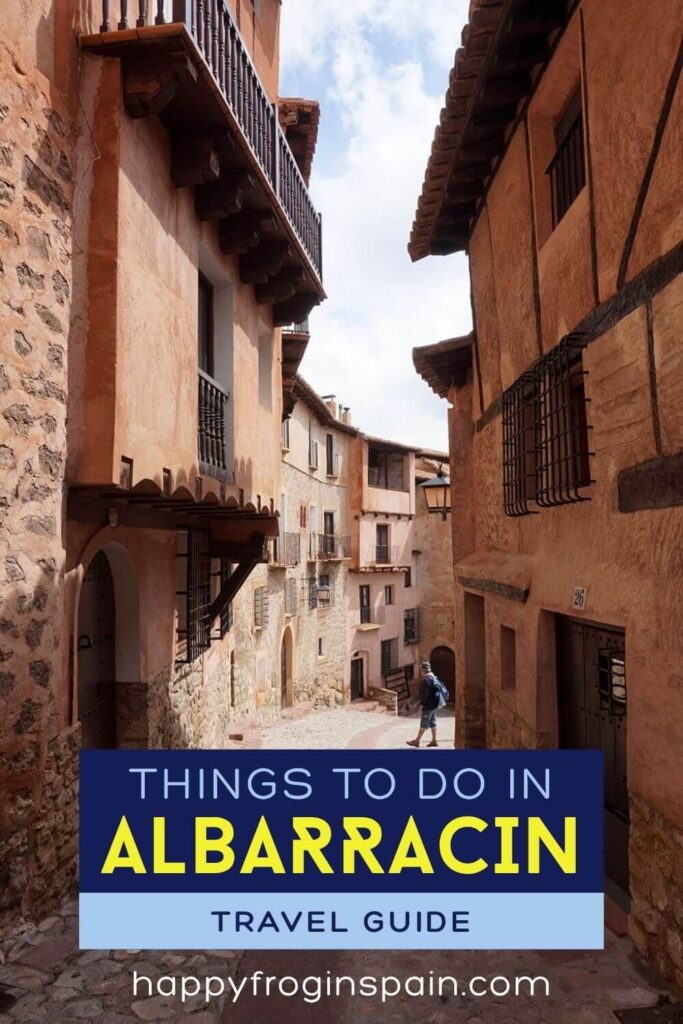
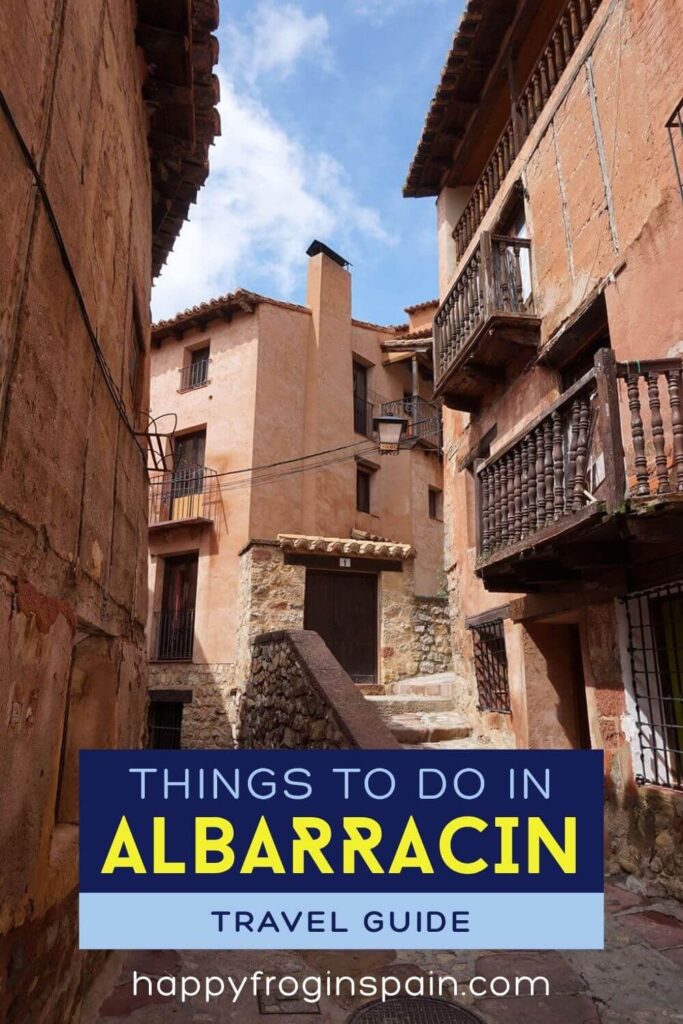
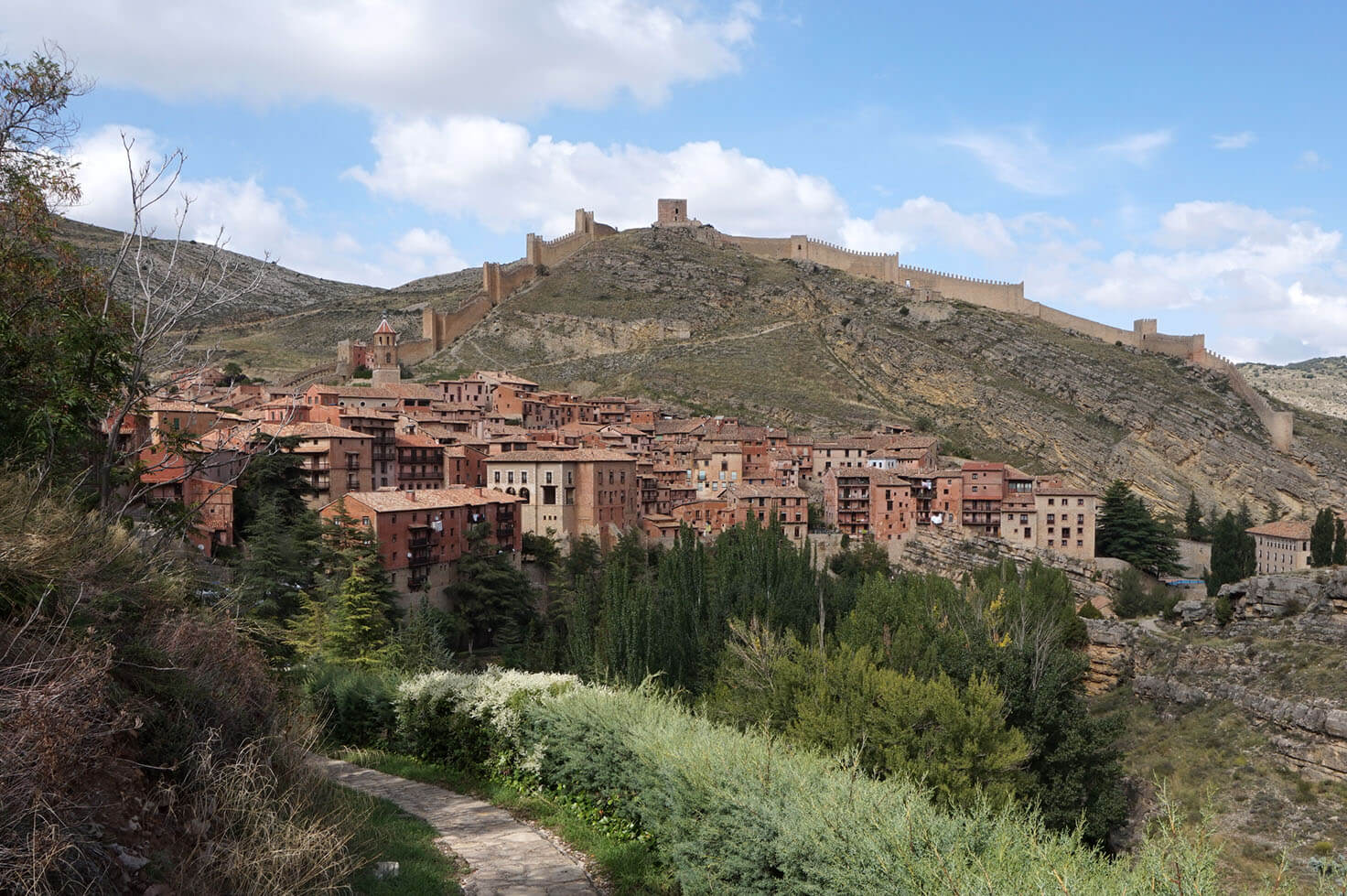
Albarracín is a small town of 1000. Its location is dramatic. The town, perched on a rock on the slopes of a mountain, is surrounded by the River Guadalaviar. Its Old Town is a maze of narrow streets and hanging houses, high above the river.
Before the rise of Teruel, it was the most important city in the area. At one point this quiet little town was the capital of a Berber taifa kingdom and later on an independent Christian lordship. Today Albarracín is without a doubt one of the nicest towns in the whole of Spain.
Things to Do in Albarracín
Stroll through the Streets of the old Town
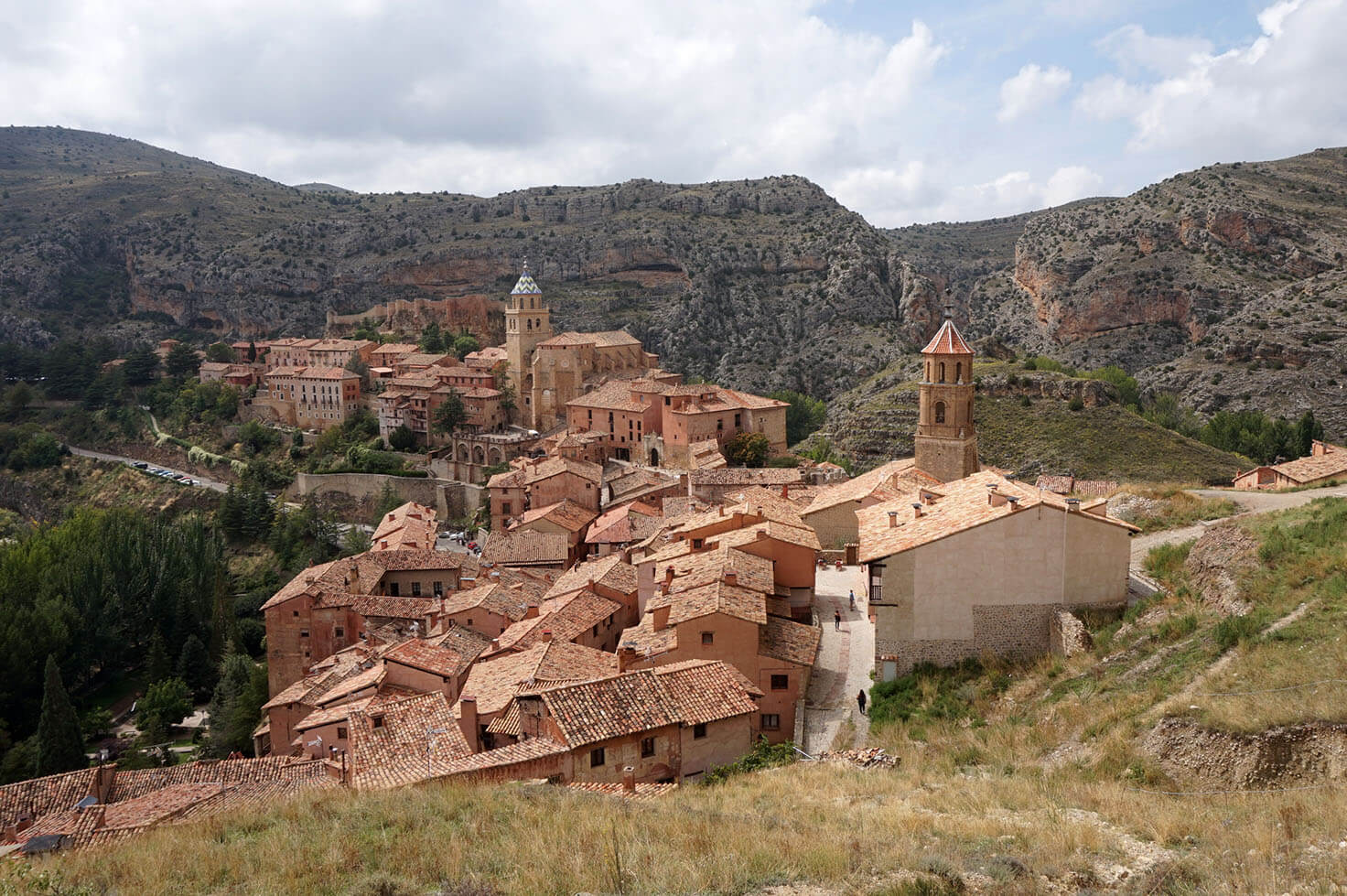
Albarracín harmonizes nature and architecture brilliantly. The Old Town is so small that if you climb the hill to the north, you can see it entirely. The main entrance is via Calle Azagra, behind the Arabia Hotel. Walk to the end of the street, and you’ll reach Plaza Mayor, the Main Square.
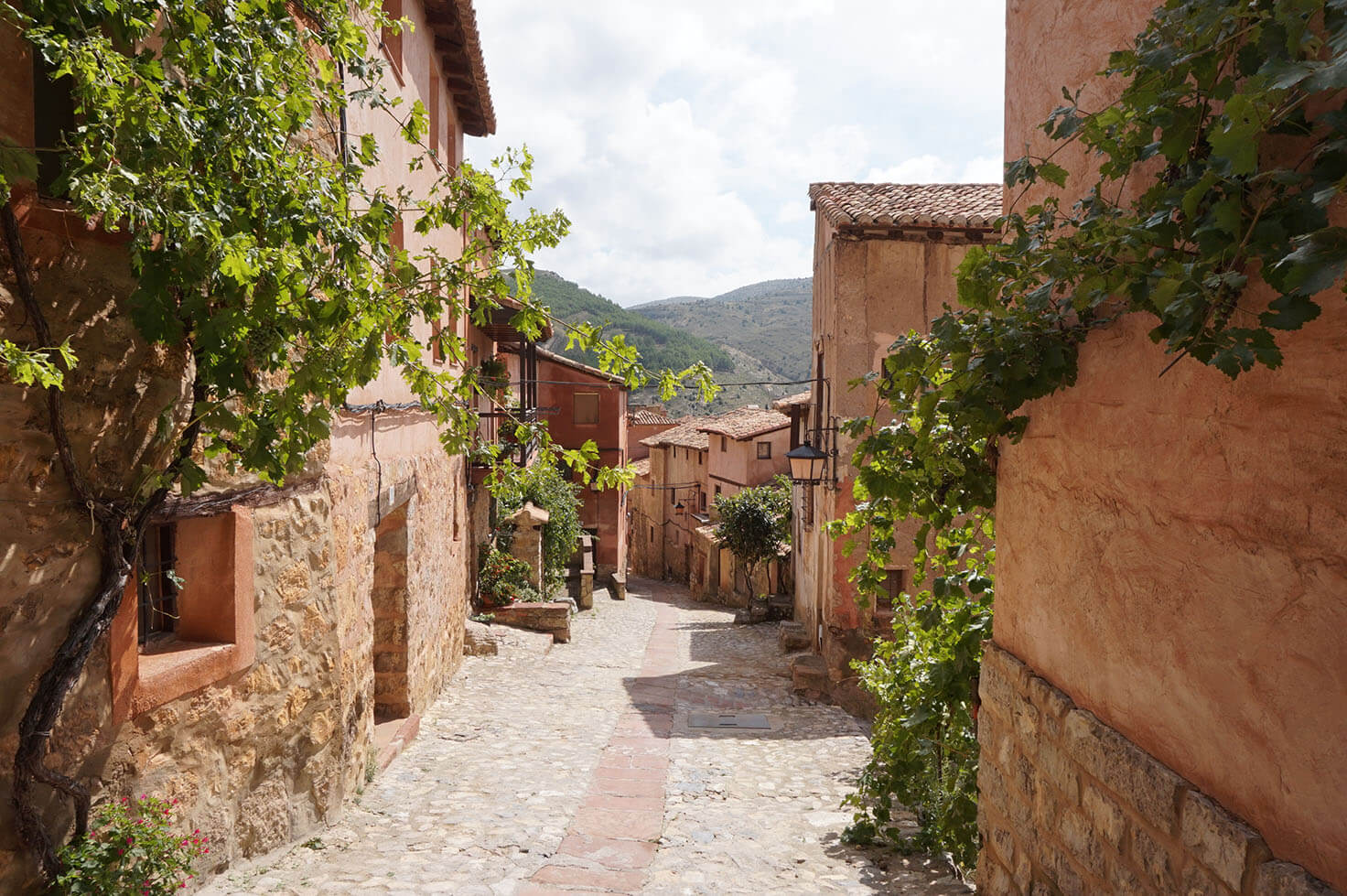
From there, turn right onto Calle de Santiago, and soon you’ll spot the 17th-century Church of Santiago. Continue uphill until you reach Portal de Molina, one of the main entrances to the medieval fortress. Look around, and you’ll see the town’s most photographed house, Casa de la Julianeta.
Wonder around the Main Square
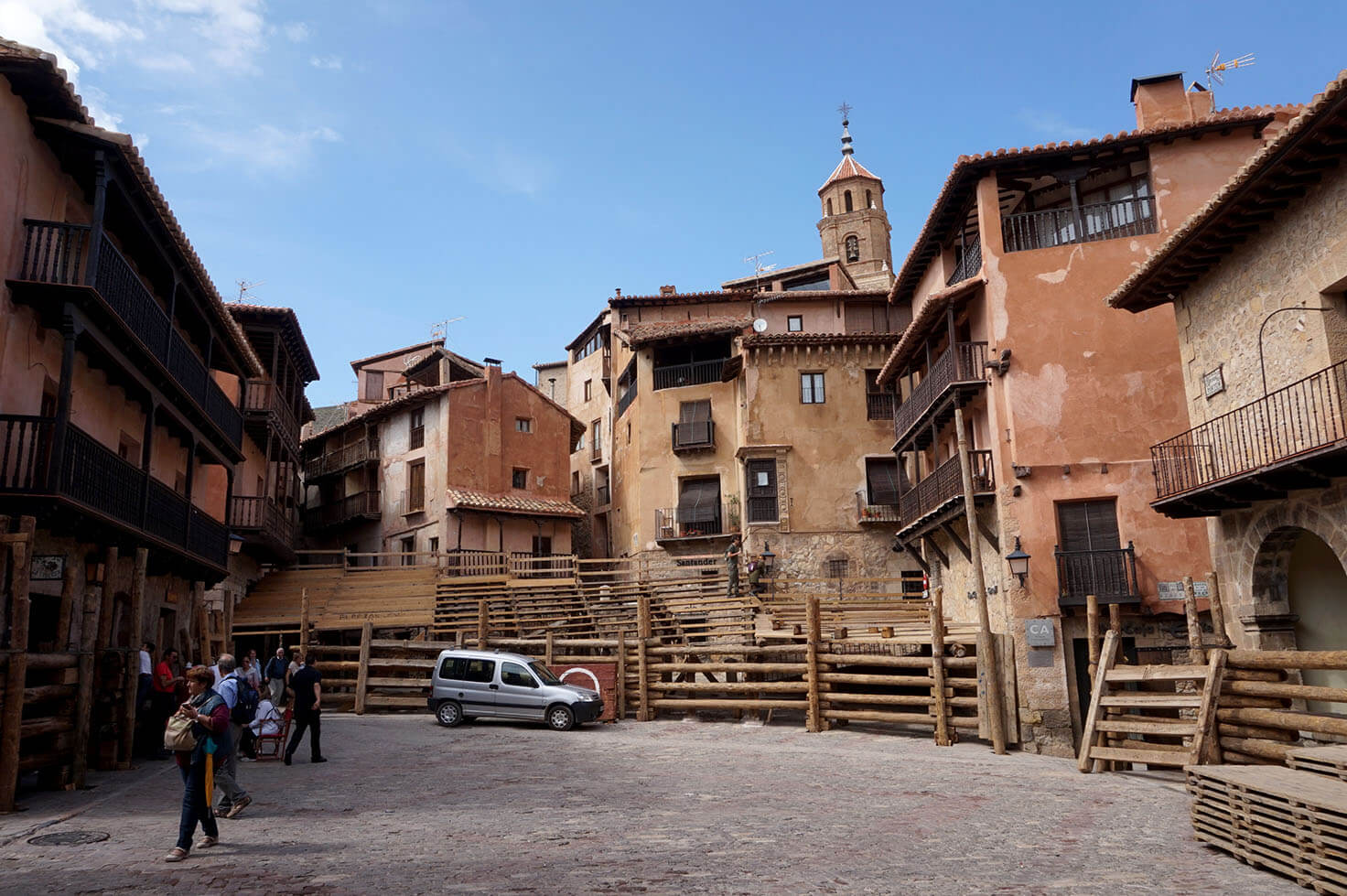
Return to the Main Square via Portal de Molina Street. Along the way, you’ll pass Portal del Agua, another medieval gate, and Rincón del Abanico, a picture-perfect spot. The street ends at the charming Plaza Mayor, Albarracín’s lifeline.
Originally a Muslim souk, it was likely built in the 11th century. After the Christian conquest, the souk was demolished, and the square was laid out. In the 16th century, the City Hall was built on its southeastern side. The square was completed in the 20th century with the addition of the fish market and its viewpoint.
Visit the Alcazar
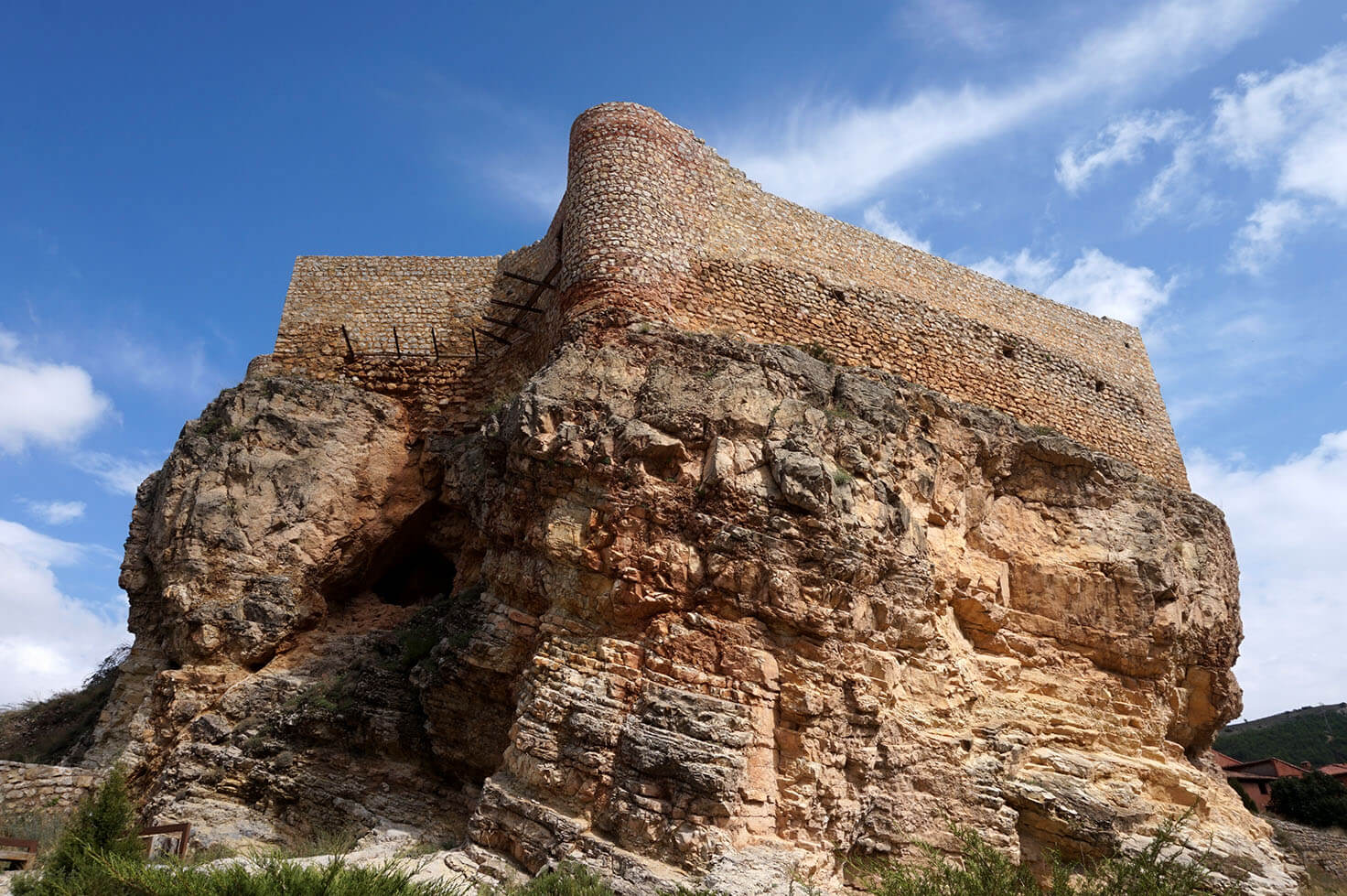
At the end of the Old Town you’ll find a very old castle that used to defend the city from the Christians: the Alcazar of Albarracín. To reach it, take Calle de la Catedral, and after five minutes, you’ll arrive at the castle. On your left, you’ll pass one of the city’s most scenic viewpoints: Mirador de la Catedral.
The first castle was built in the 10th century and expanded in the 11th century. After the Christian conquest, it was abandoned. Today, the remaining structures include the outer walls with defensive towers, water cisterns, and the ruins of several houses.
Visit the Cathedral
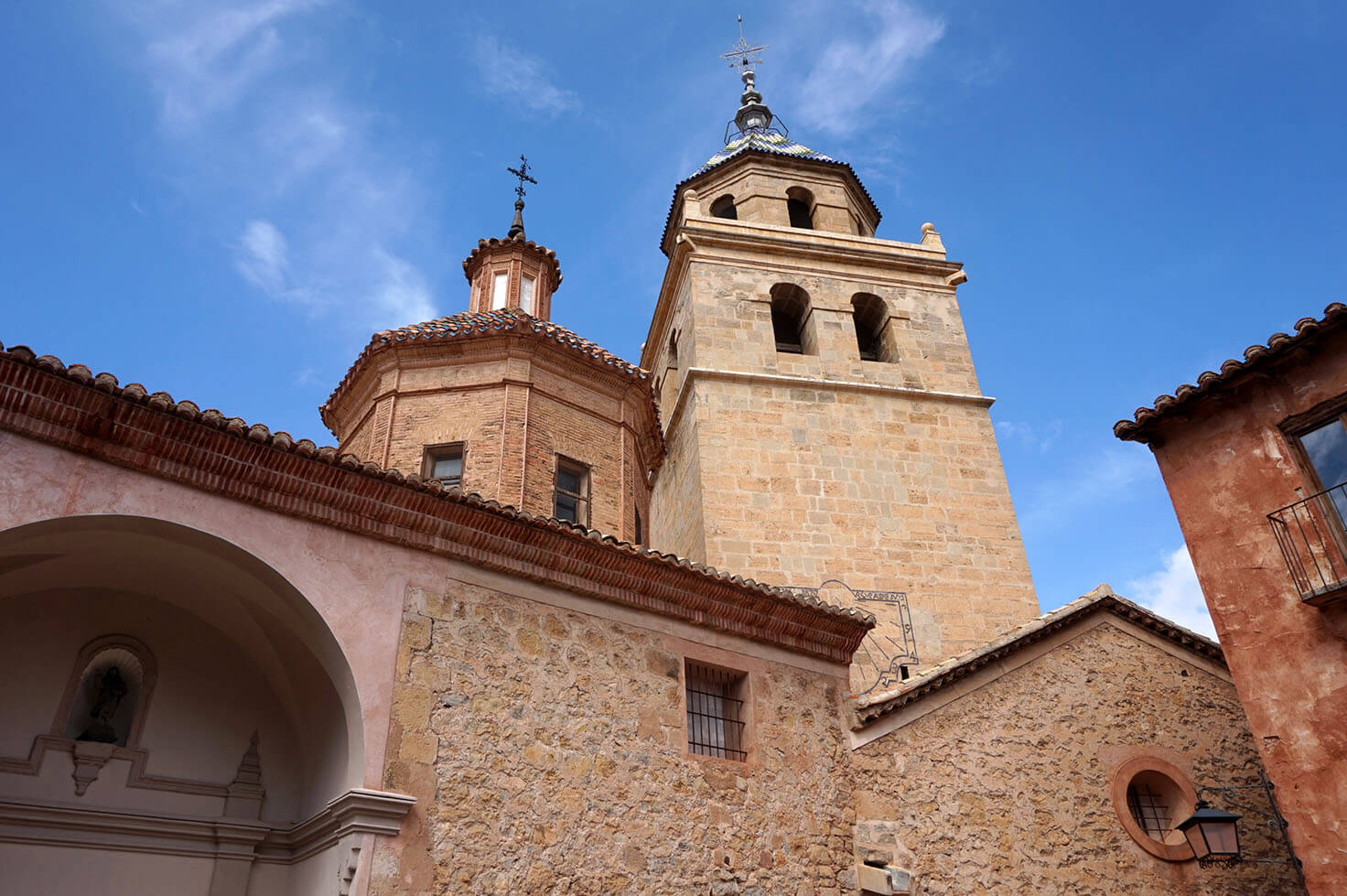
The Albarracín Cathedral is next to the castle. The elegant Gothic and Renaissance church from the late 16th Century dominates the cityscape. In the 18th century, it was thoroughly reconstructed in Baroque style, which it retains today.
To reach the cathedral, head back toward the Main Square and turn left onto Calle de San Juan. If you think the exterior is impressive, wait until you step inside. The cathedral features ten chapels, including the main chapel with the sacristy, a cloister, a choir, and a baptistery. We highly recommend taking a guided tour.
Walk along the City Walls
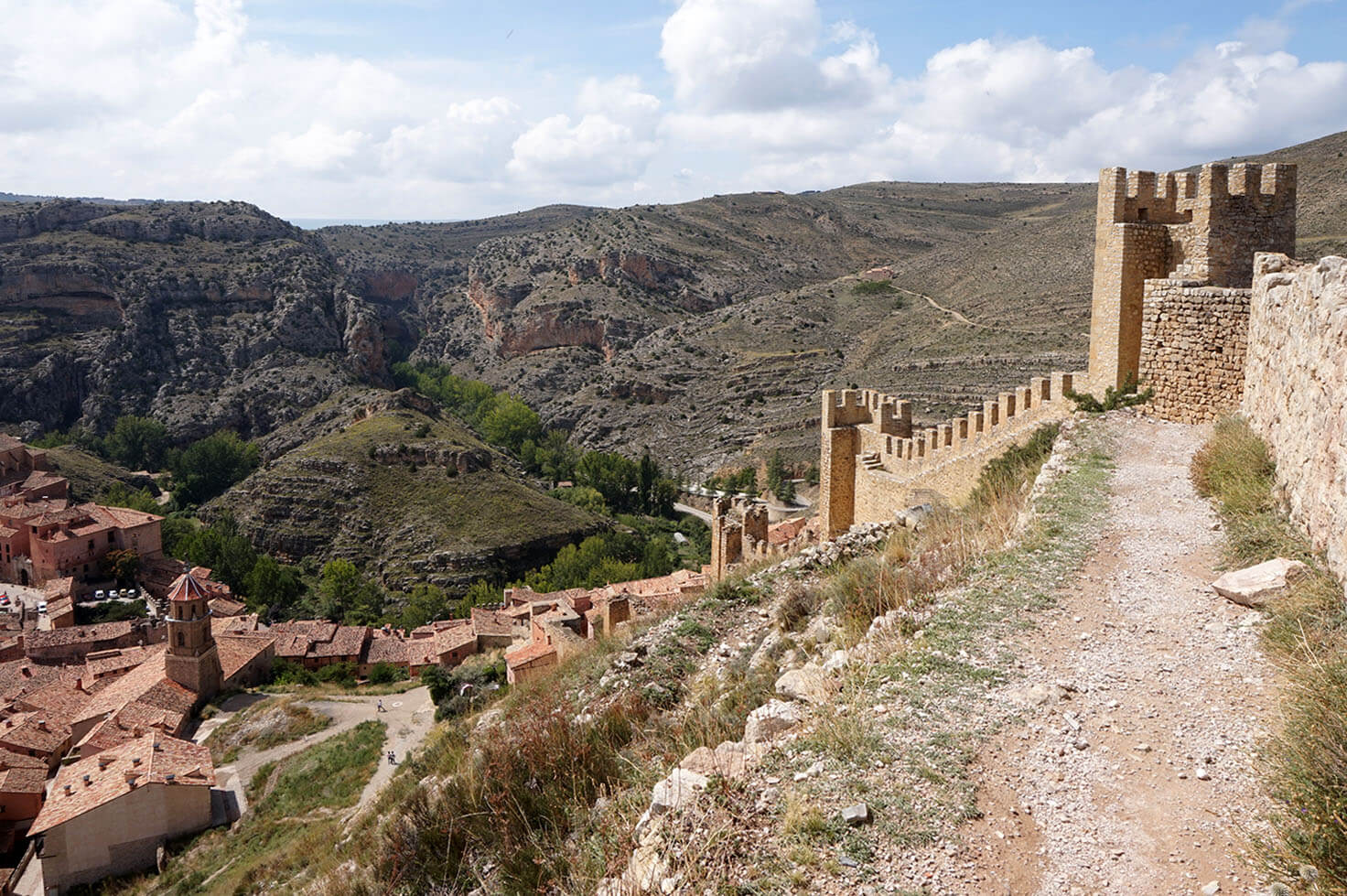
On the other side of the town, you’ll spot the imposing medieval City Walls that defended the town from the Muslims. You see? Depending on the time, one was the good guy and the other one the bad guy. In any case, the place is so pretty that everybody wanted to control it! Actually, the walls were originally built by Muslims, but were significantly expended after the Christian conquest.
Today, approximately 1.5 kilometers (0.9 miles) of walls remain. There are several access points, but the main one is at the end of Calle de la Subida a las Torres. Walk all the way to Torre del Andador and enjoy the best panoramic views of Albarracín.
Visit a Museum or Two
If you want to see an original house from the 17th Century, visit the Perez and Toyuela Home Museum. You can see how the servants lived on the first floor and the noble family up. The furniture, textiles, and pottery are in great shape. You can taste local products after the visit. Children will love the Toy Museum. Actually, adults love it too!
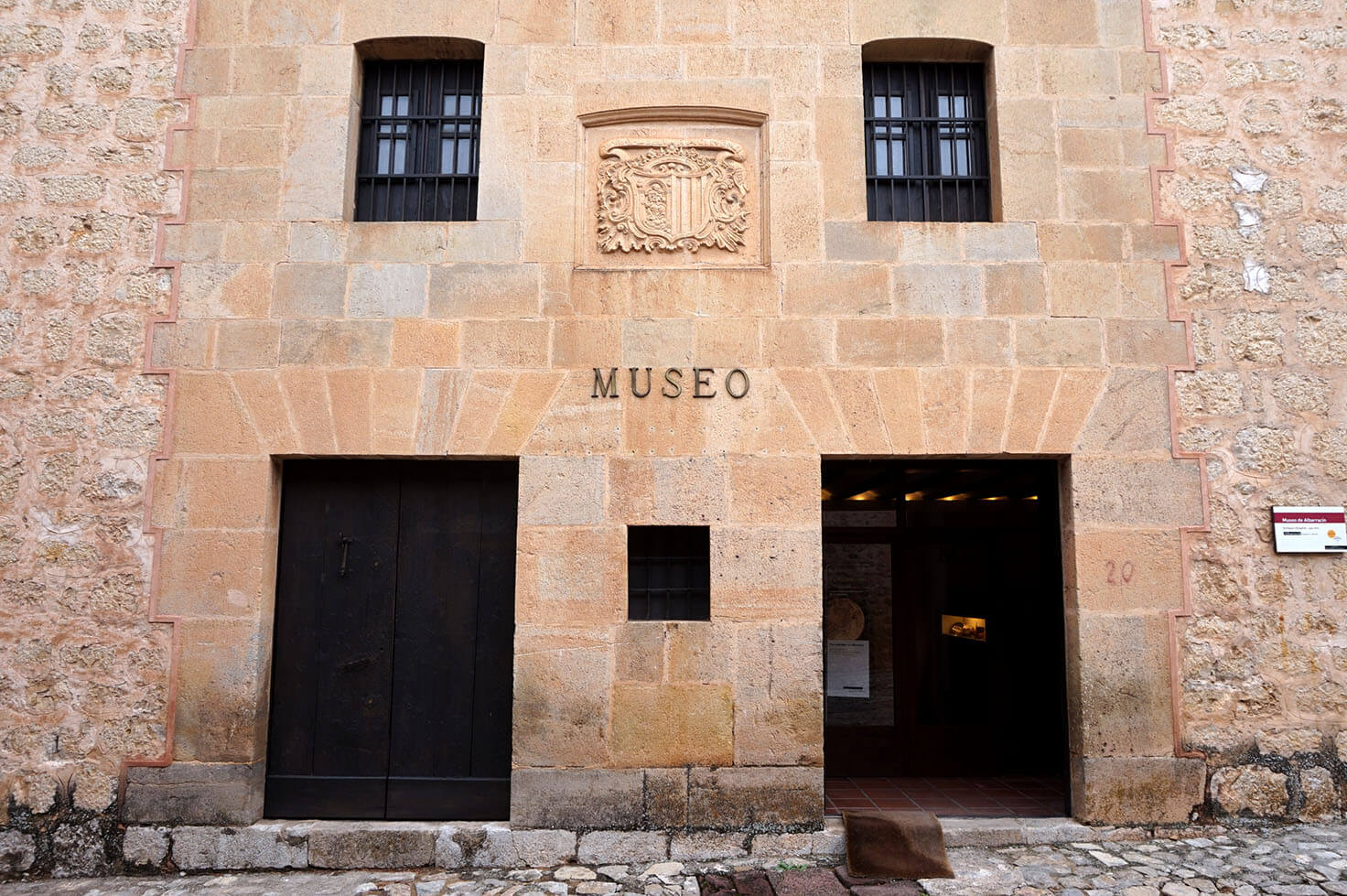
The Albarracín Museum used to be the town’s hospital in the 18th Century. Sadly, it was a prison during the Spanish Civil War. Today, the monumental building holds a collection of ancient local objects, including pottery and textiles. The Archbishop’s Palace is next to the Cathedral. The tiny museum has an impressive collection of religious objects. You have to pay for a separate entrance ticket.
Hike around the Town and Beyond
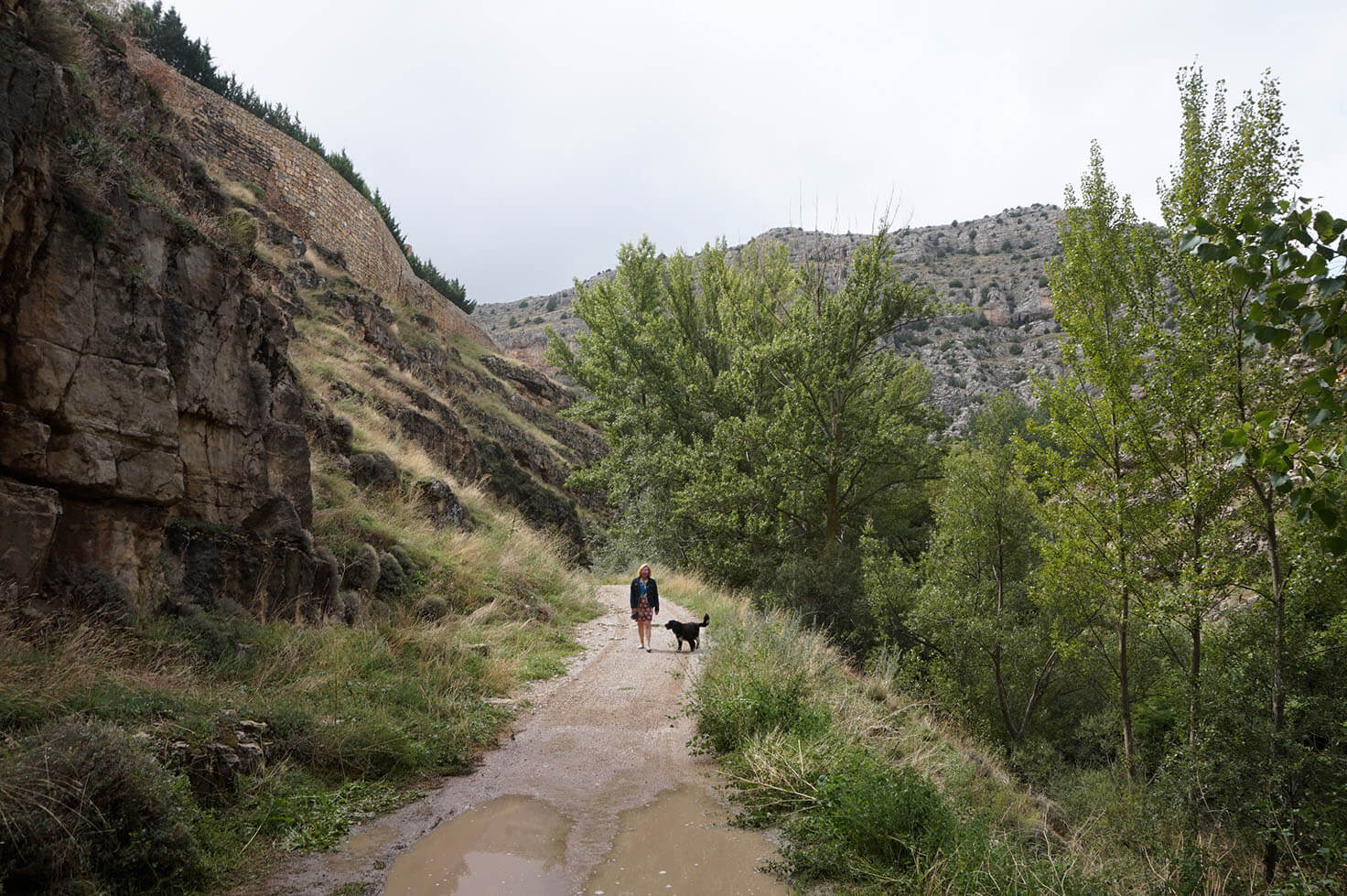
You can admire Albarracín’s peaceful environment for days. Furthermore, getting lost amongst its curvy streets will reward you with a different vista at every corner. But that’s not all Albarracín offers. The place is a superb hiking destination. If you are short of time, you should walk all the way to the City Walls and along the River Guadalaviar. Both are easy walks you can complete in a couple of hours.
Probably the nicest natural spot is the protected area of Pinares de Rodeno. Located just 3 km (1.9 miles) southeast of the city it offers great hikes among pine trees. The area is famous for its giant red stones and spectacular views. On the other hand, if history is your thing go visit the 25 km (15 miles) long Roman Aqueduct Albarracín – Cella. Its nicest part is in Barranco de Los Burros, just north of Gea de Albarracín.
Where to Stay
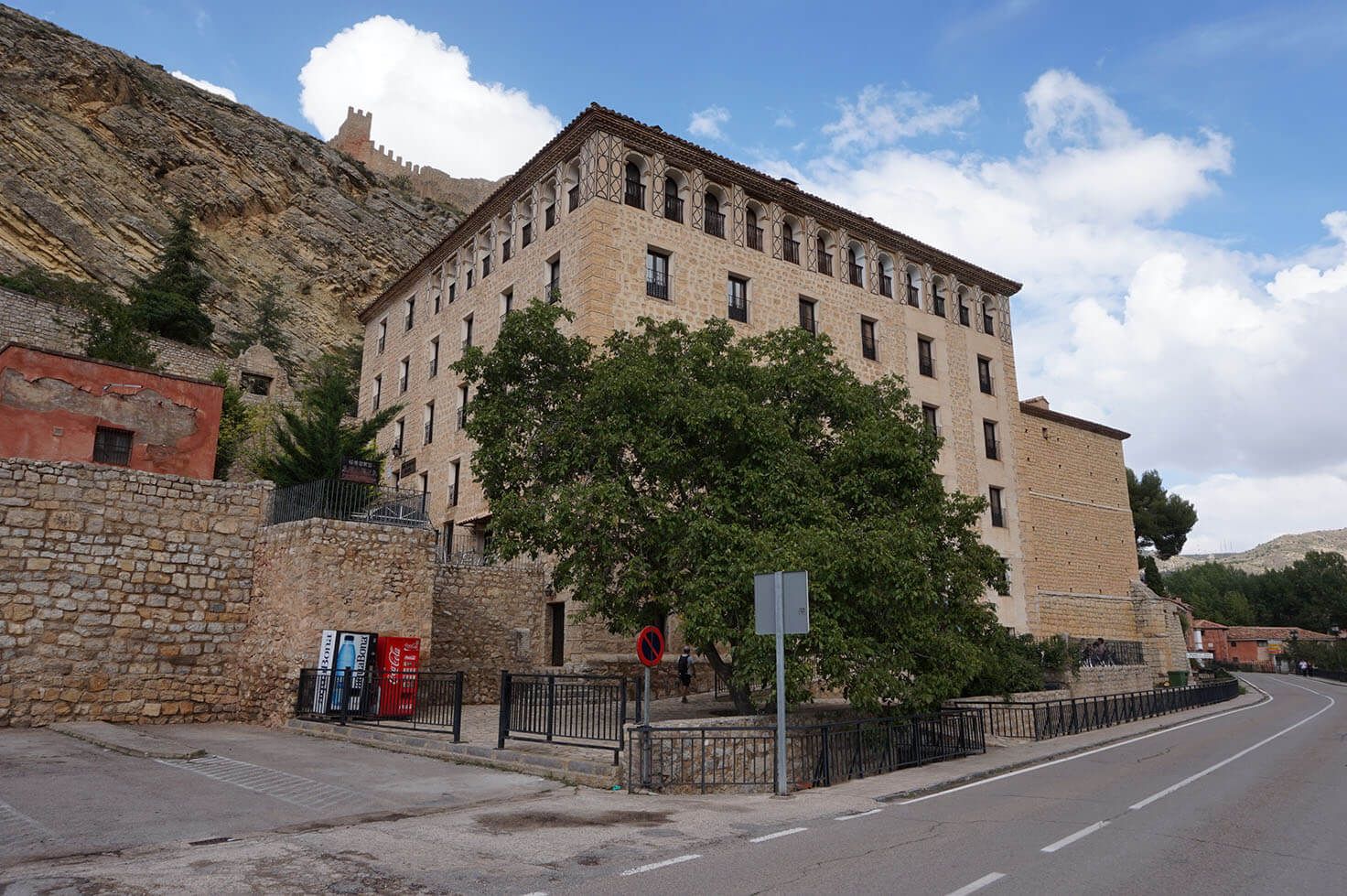
Albarracín has plenty of nice hotels to choose from. Most of them are located inside or next to the Old Town. Though the place is small, staying around the old town has a special charm. Additionally, most hotels are historical buildings. We chose the fantastic Hotel Arabia for that particular reason.
Located inside a monumental 16th Century convent it was a great base to explore the city. We’ll never forget the spectacular views from our room. Inside the old town, you’ll find the renowned Hotel Albarracín and Mesón del Gallo. Other interesting options are the Posada del Adarve, and the Los Palacios.
Where to Eat/Drink
Who would have thought that tiny Albarracín had so many great restaurants? All of the restaurants on the main plaza are pretty good. Our favorite is El Buen Yantar. Their set lunch menu is unbelievable. They have options for vegans and celiacs. Take note that a lot of places are open only for lunch.
For dinner, go to Rincón del Chorro. It’s got a cool bar too. Locals have beer and cheese at Cafeteria Aben Razin. Bar Mesón La Parroquia is inside the castle. They have a splendid terrace with views. To eat and drink overlooking the river, go to Señorio de Albarracín Restaurant.

How to Get to Albarracín
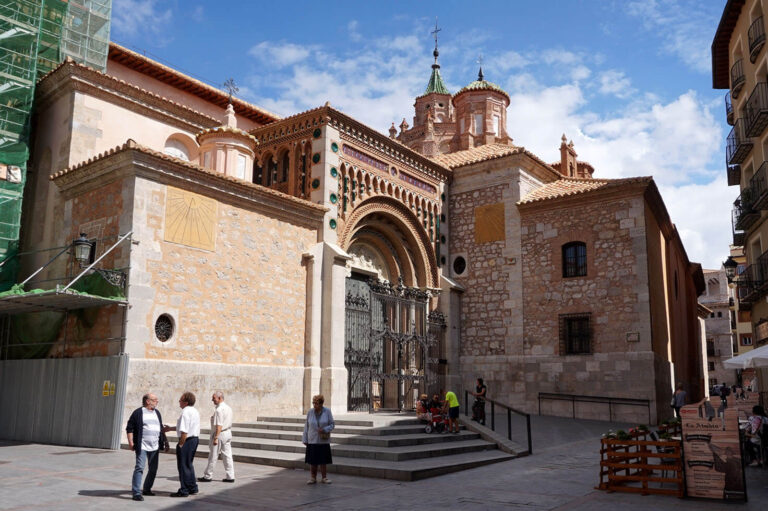
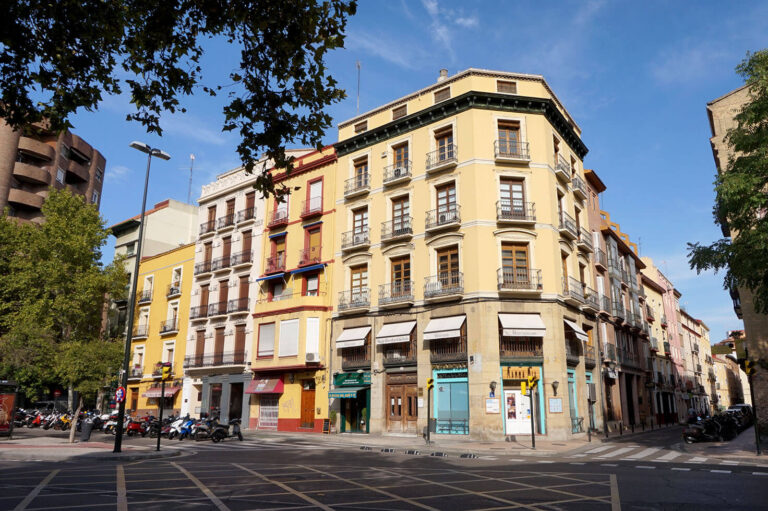
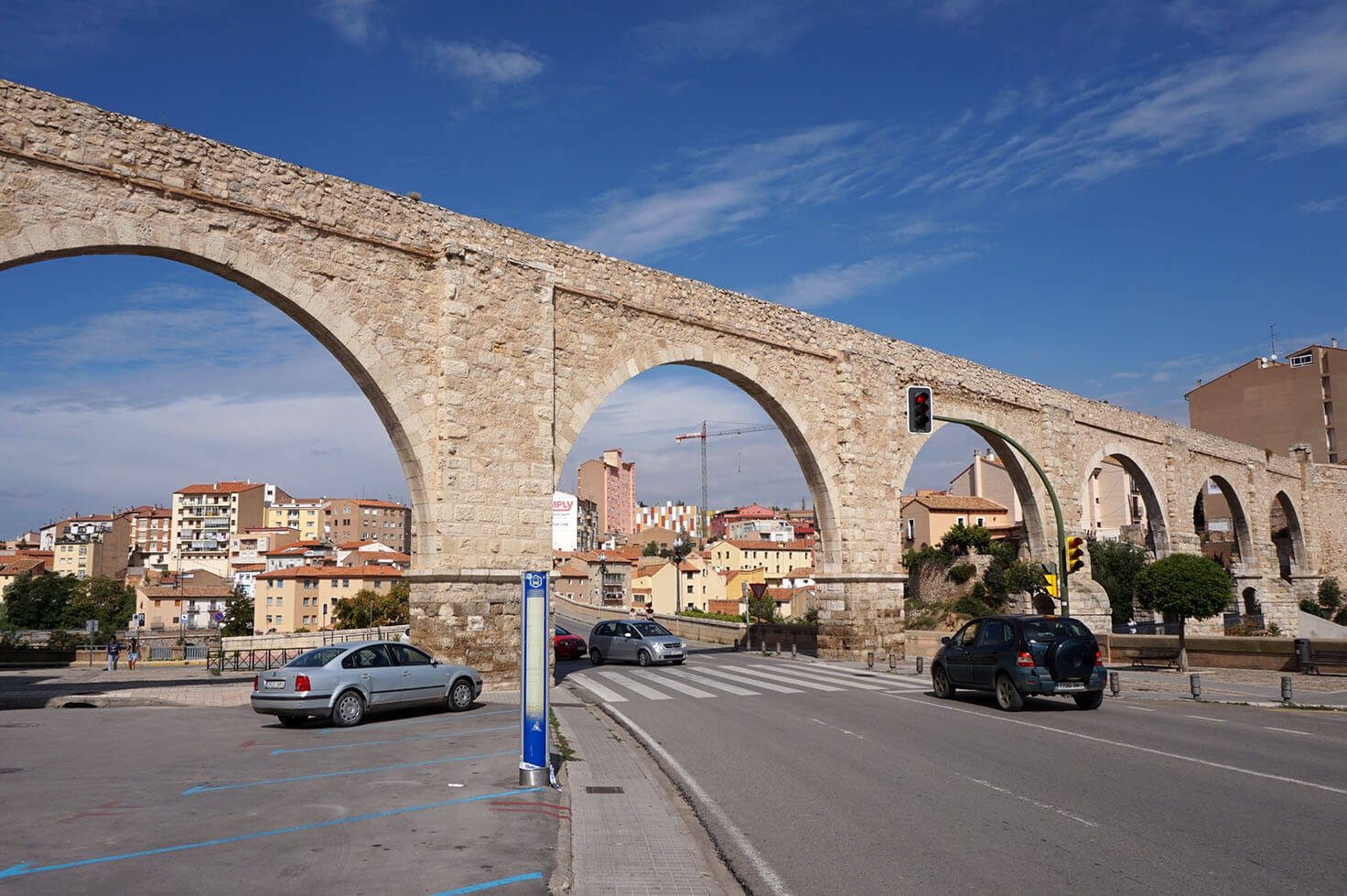
To go to Albarracín, you must go to Teruel first. Take note that there are two public buses a day from Teruel to Albarracín, except on weekends and holidays. A taxi between the two cities should be around 50 euros one way. We took a taxi from Teruel to Albarracín and the public bus early in the morning to go back.
Taxis are easy to find just across Teruel’s train station. The bus in Albarracín stops in front of Hotel Arabia. In Teruel there is a bus station, at the edge of the old town, some 800 m (2600 feet) from the train station. Be sure to grab a window seat to enjoy the scenery.
If you are in Valencia, you can also visit Albarracín via this organized tour.
Tips for Visiting Albarracín
You shouldn’t visit Albarracín if you have less than 2 days. The city has interesting architecture plus you need at least an extra day to explore the natural surroundings. A lot of people go to Albarracín just for the day. What a mistake! Not only the sunset provides killer views, but walking about Albarracín at night is a must.
Likewise, try to avoid weekends and holidays, since it can get crowded and buses don’t operate. Stay in the old town so you can let yourself go and travel in time. Take note that opening hours vary in Albarracín. In low season restaurants close early for dinner. To enjoy the best views, climb the City Walls.