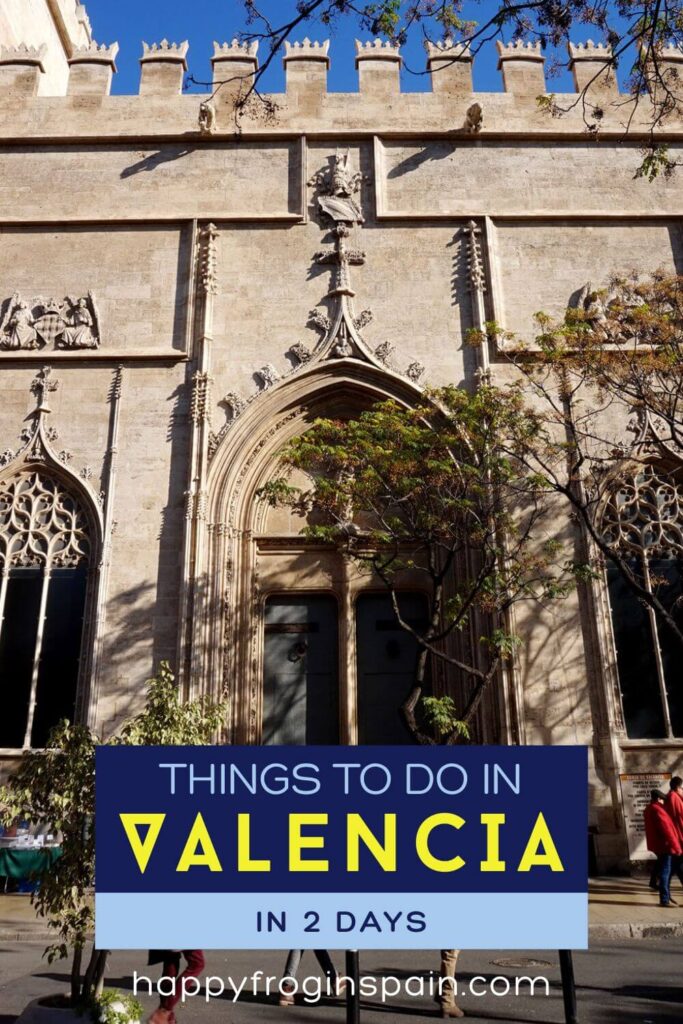
Top Things to Do in Valencia in Two Days
Valencia is one of our favorite cities in Spain. It’s a large and vibrant place full of attractions, yet still somewhat off the main tourist trails. But things are changing fast, so we suggest visiting soon, before everyone else does.
Valencia’s biggest draw is its enormous Old Town. The cathedral, along with most of the city’s historic churches, palaces, and towers, is located here. Getting lost among its gorgeous streets is an absolute must.
However, the city offers much more. In two days in Valencia, you can bike along the former river, walk by the beach, admire incredible contemporary architecture, and even escape the city for a bit.
Day 1
Visit the Cathedral
Most walks through the Old Town start at Plaça de la Reina, one of Valencia’s main squares. The Metropolitan Cathedral Basilica of the Assumption of Our Lady of Valencia dominates the square.
This 13th-century masterpiece is a fascinating blend of Gothic, Romanesque, Renaissance, Baroque, and Neoclassical styles. Step inside to explore the church and admire its many 15th-century paintings.
Don’t forget to walk all around the cathedral. Next door is the Royal Basilica of Our Lady of the Forsaken, dedicated to Valencia’s patron saint. Its early 18th-century frescoes are among the finest examples of Spanish Baroque art.

Learn About Spanish Ceramics
From Plaça de la Reina, walk south for about five minutes until you reach one of the city’s most lavishly decorated buildings, the National Museum of Ceramics and Decorative Arts González Martí.
The museum is housed inside the Palace of the Marquis of Dos Aguas. Originally a Gothic building, it was heavily redesigned in the 18th century, giving it its current Baroque appearance.
Inside, you’ll learn about ceramics from ancient to modern times. The museum hosts Spain’s largest collection of ceramics, along with antique furniture, clothing, and paintings.

Shop or Dine at Mercat Central
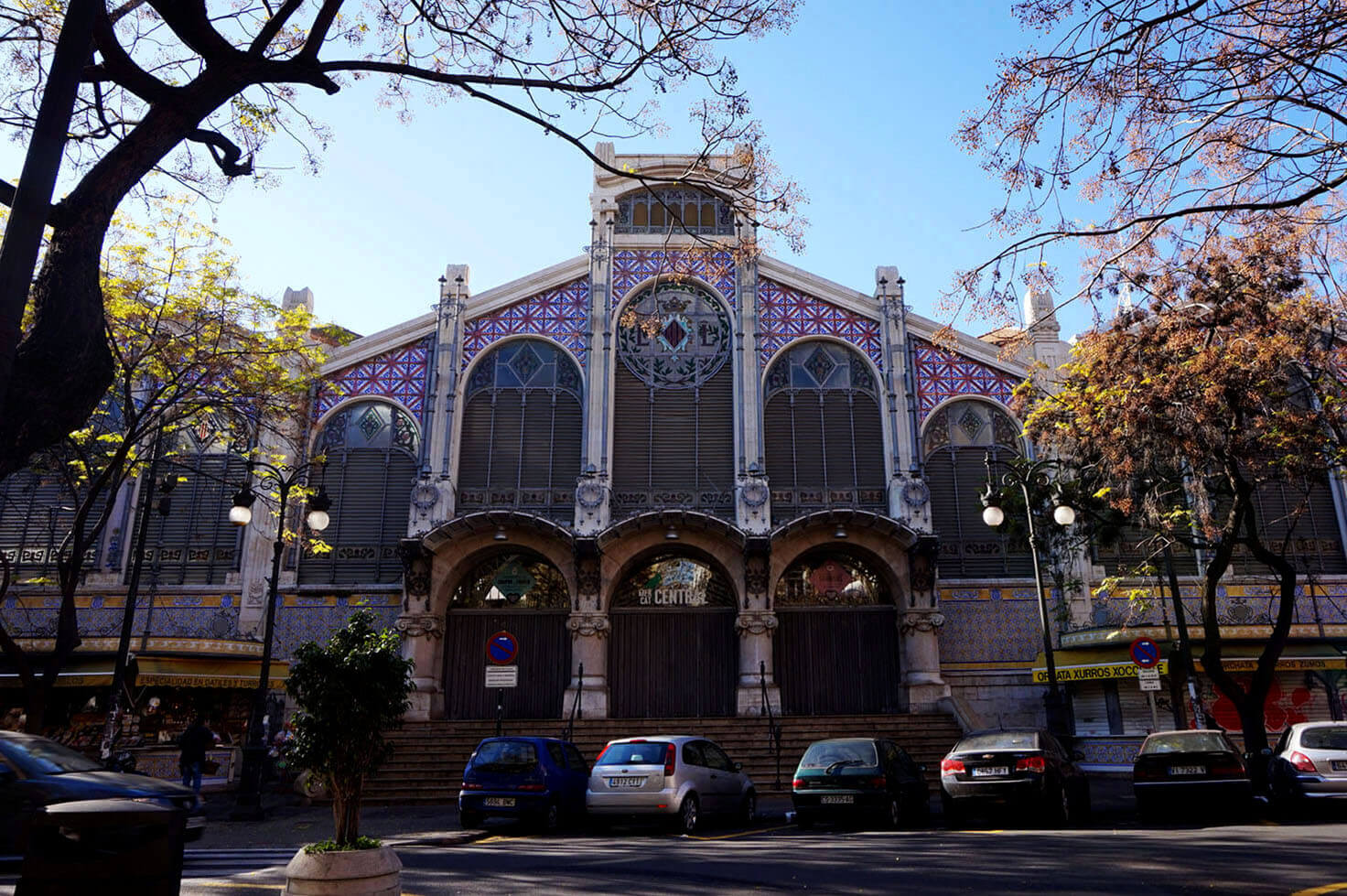
After visiting the museum, head for lunch to Valencia’s most iconic marketplace, Mercat Central. Covering 8,000 m² (86,000 sq ft), it’s the largest fresh produce market in Europe.
This beautiful Modernist structure, designed by Francesc Guàrdia i Vial and Alexandre Soler, opened in 1928. You’ll love its ornate iron framework, colorful stained glass, and ceramic tiles.
Inside, you’ll find more than 250 stalls selling everything from fruit and vegetables to meat, fish, cheese, and spices. The most famous spot here is the Central Bar, run by Michelin-starred chef Ricard Camarena.
Visit la Llotja de la Seda
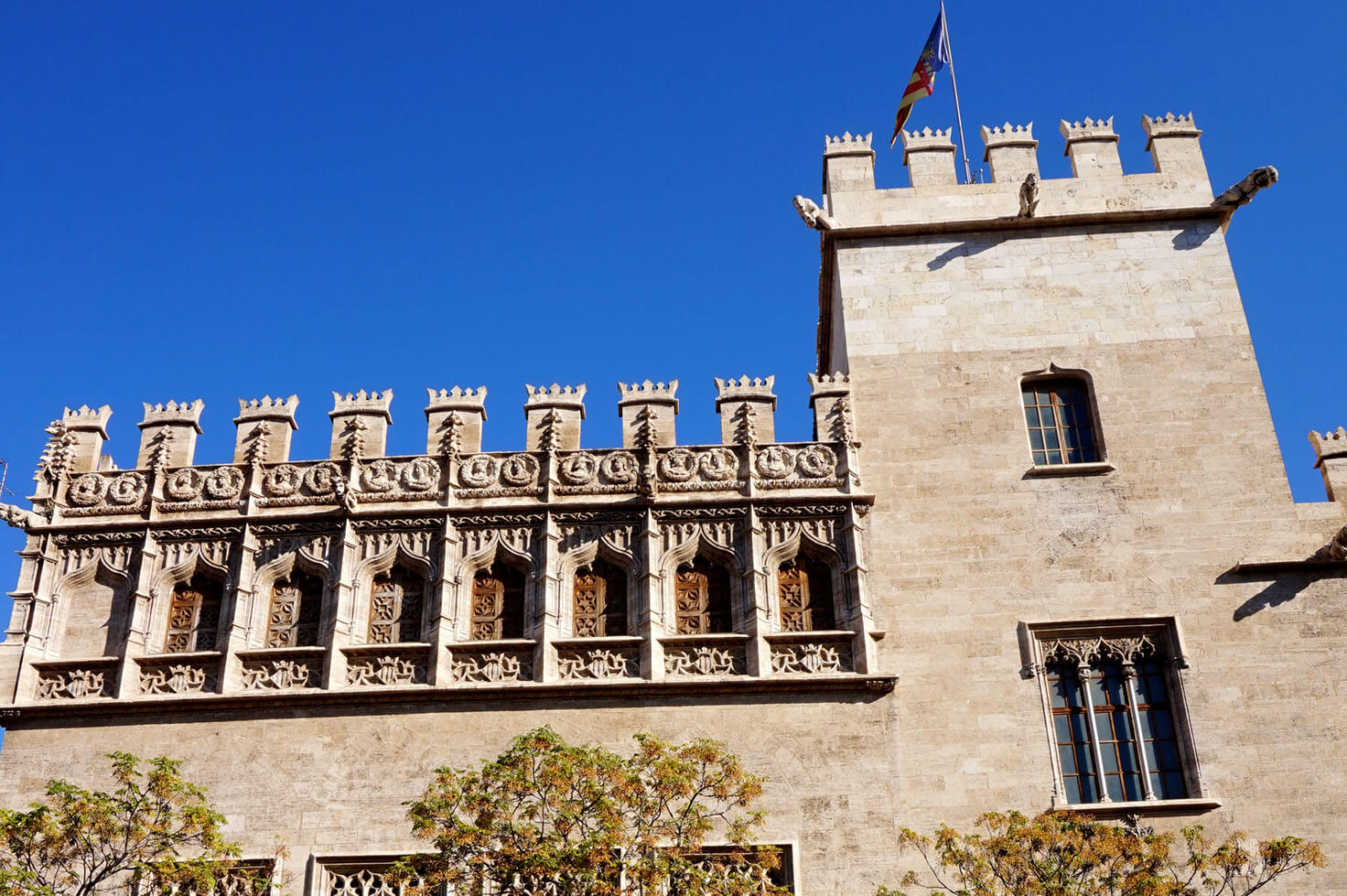
Right across from the market stands the city’s only UNESCO World Heritage Site: La Llotja de la Seda (The Silk Exchange). This impressive early 16th-century Gothic building once served as Valencia’s main trading hall, where silk and other goods were exchanged.
The building has three main parts: the Trading Hall, known for its twisted columns; the Consulate of the Sea, an old maritime tribunal; and the Tower, which was once used as a prison. Don’t miss the lovely orange-tree courtyard.
You can visit on your own with an entrance ticket (free on Sundays and public holidays) or join this guided tour that also includes the Cathedral and Saint Nicholas Church.
Admire a Baroque Church
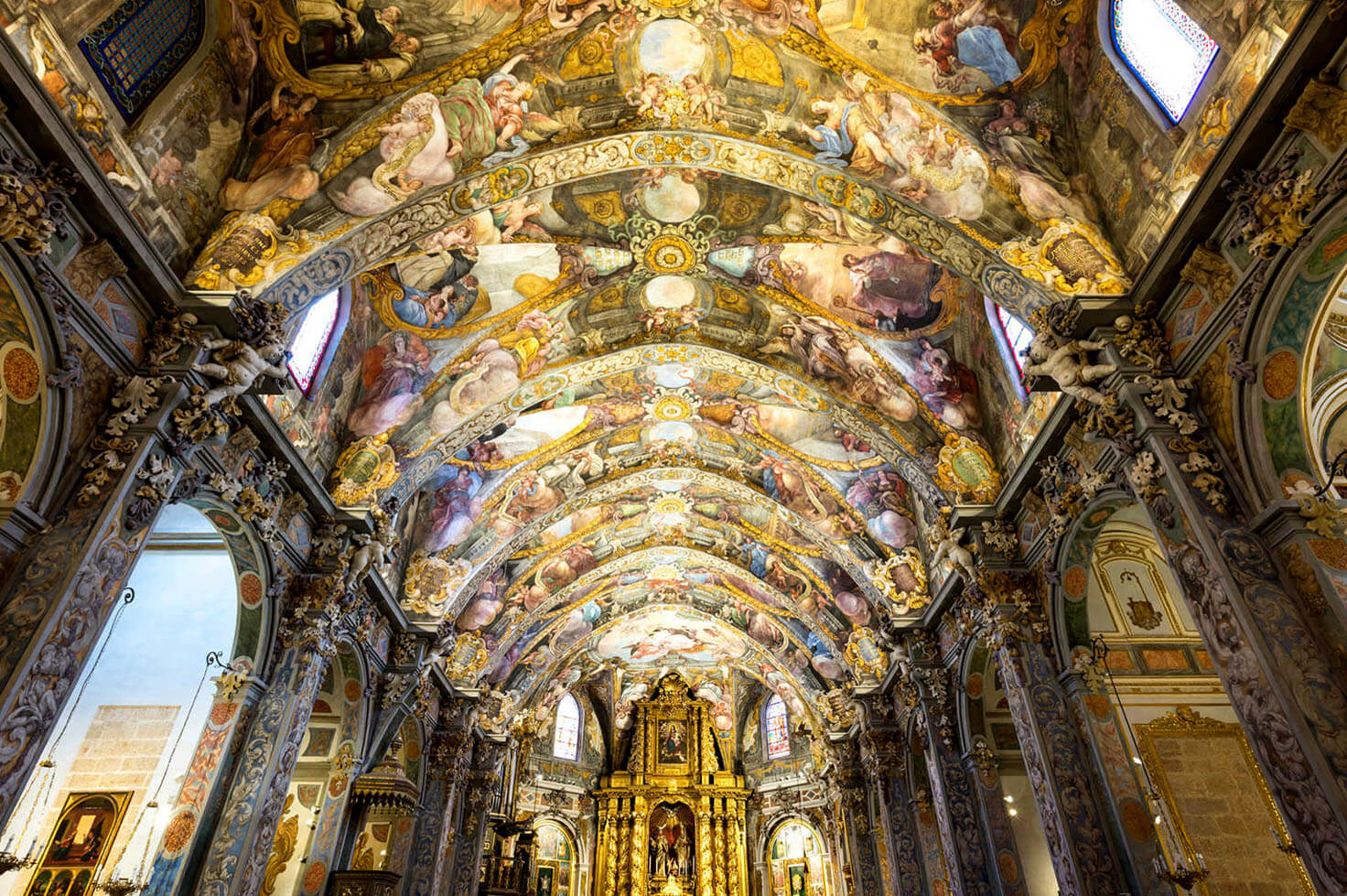
If you’re not yet tired of churches, visit the Church of Sant Nicolau de Bari i Sant Pere Màrtir, famous for its lavish late 17th-century Baroque interior.
The original church was built in the 13th century and later refurbished in the 15th century in the Gothic style. Notice the large rose window on the façade, referring to Saint Nicholas’s miracles.
Go inside, and prepare to be dazzled. The frescoes by Juan Pérez Castiel depict the lives of Saint Nicholas and Saint Peter of Verona.
Climb the Historic Tower
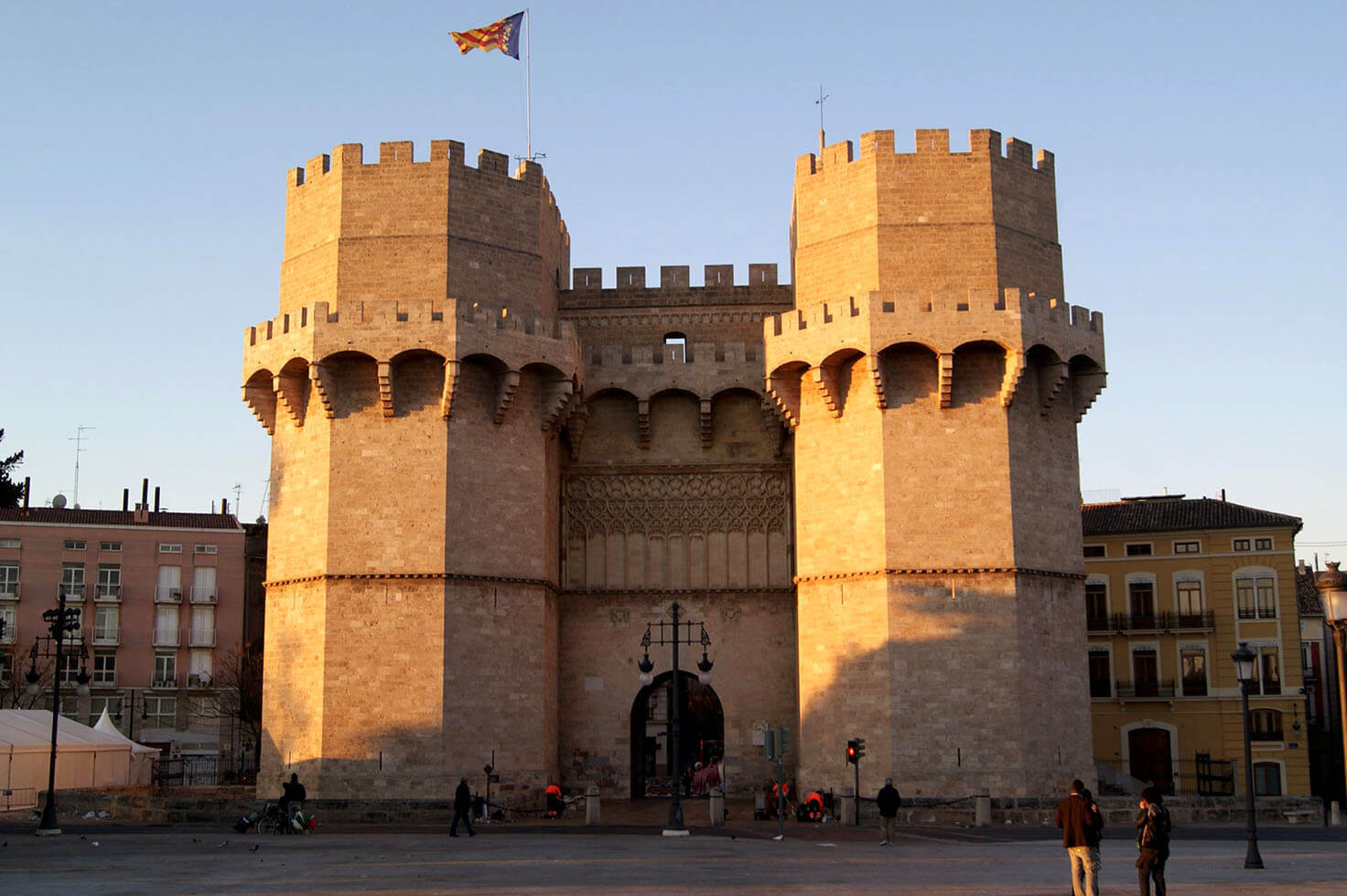
Valencia’s Old Town was once surrounded by a massive city wall, demolished in 1865 to allow expansion. Of its original 12 gates, only two still stand: Torres de Serranos and Torres de Quart.
The imposing Torres de Serranos, built in the late 14th century in the Valencian Gothic style, served as a defense gate, a ceremonial entrance, and even a prison.
The famous Crida, the opening ceremony of the Fallas Festival, is held here every year. You can visit daily from 10 AM to 6:30 PM (until 1:30 PM on Sundays).
Day 2
Roam around Plaça de l’Ajuntament
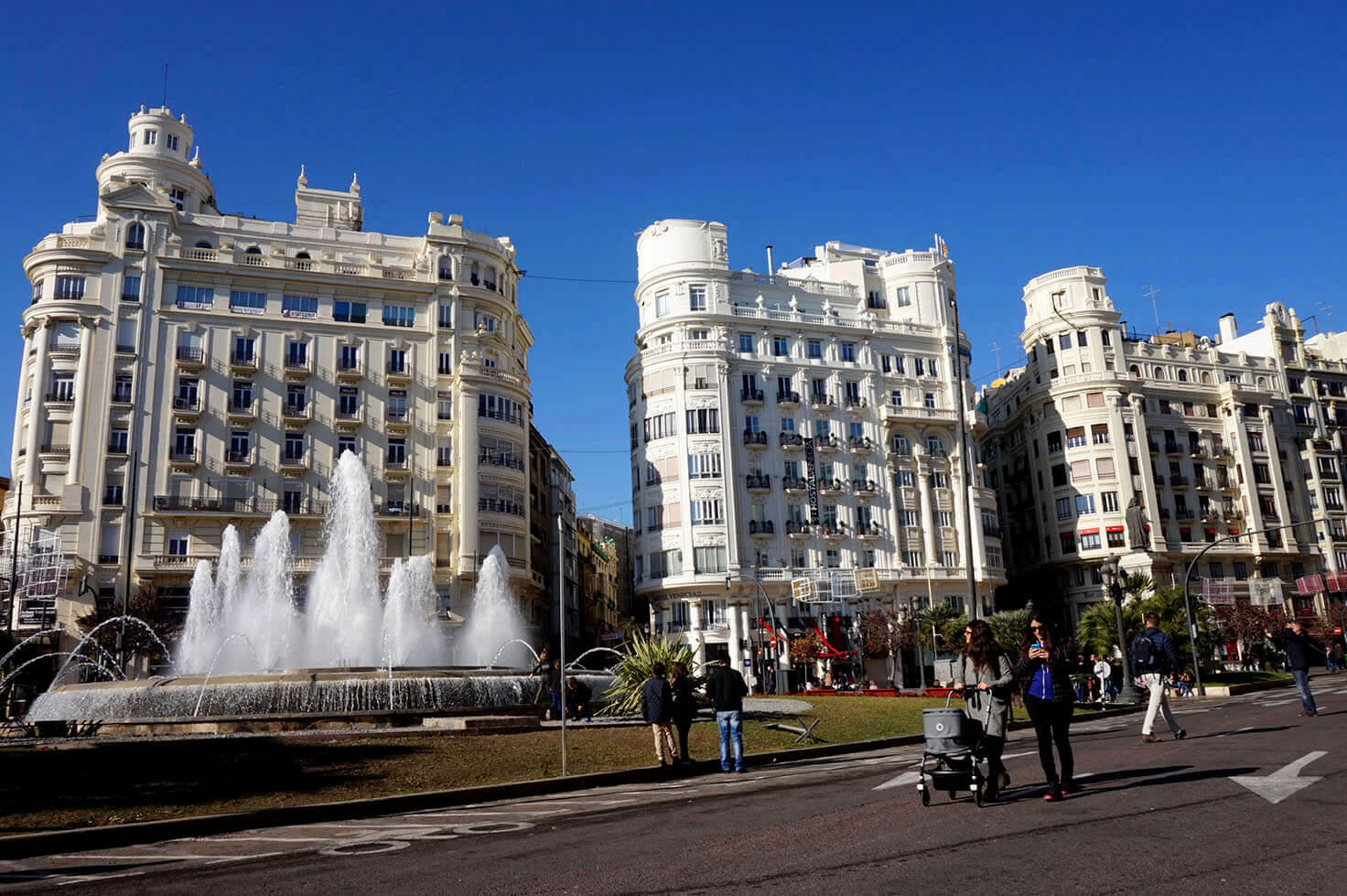
Start your second day at Valencia’s main square, Plaça de l’Ajuntament. This monumental space was designed by architect Javier Goerlich Lleó, the son of the Austro-Hungarian consul.
The green square, centered around a large fountain, is surrounded by architectural masterpieces from the early 20th century, ranging from Modernist and Neoclassical to Purist and Art Deco styles.
The most impressive building is the City Hall of Valencia (1930), which gives the square its name. Another must-see is the Post Office Building (1922), one of the best examples of Valencian Modernism.
Explore the Colorful Street Art
Before visiting Valencia, we had no idea it was such a hub for street art. The city is full of graffiti and murals, especially in El Carmen, Russafa, and El Cabanyal neighborhoods.
Start with El Carmen and the Old Town area. Don’t miss the Mural de Rosita Amores on Carrer de la Puríssima or the large mural on Plaça de la Botxa.
You can explore on your own using an online map or join a guided bike or walking tour focused on the main works.

Walk or Bike along the Former River
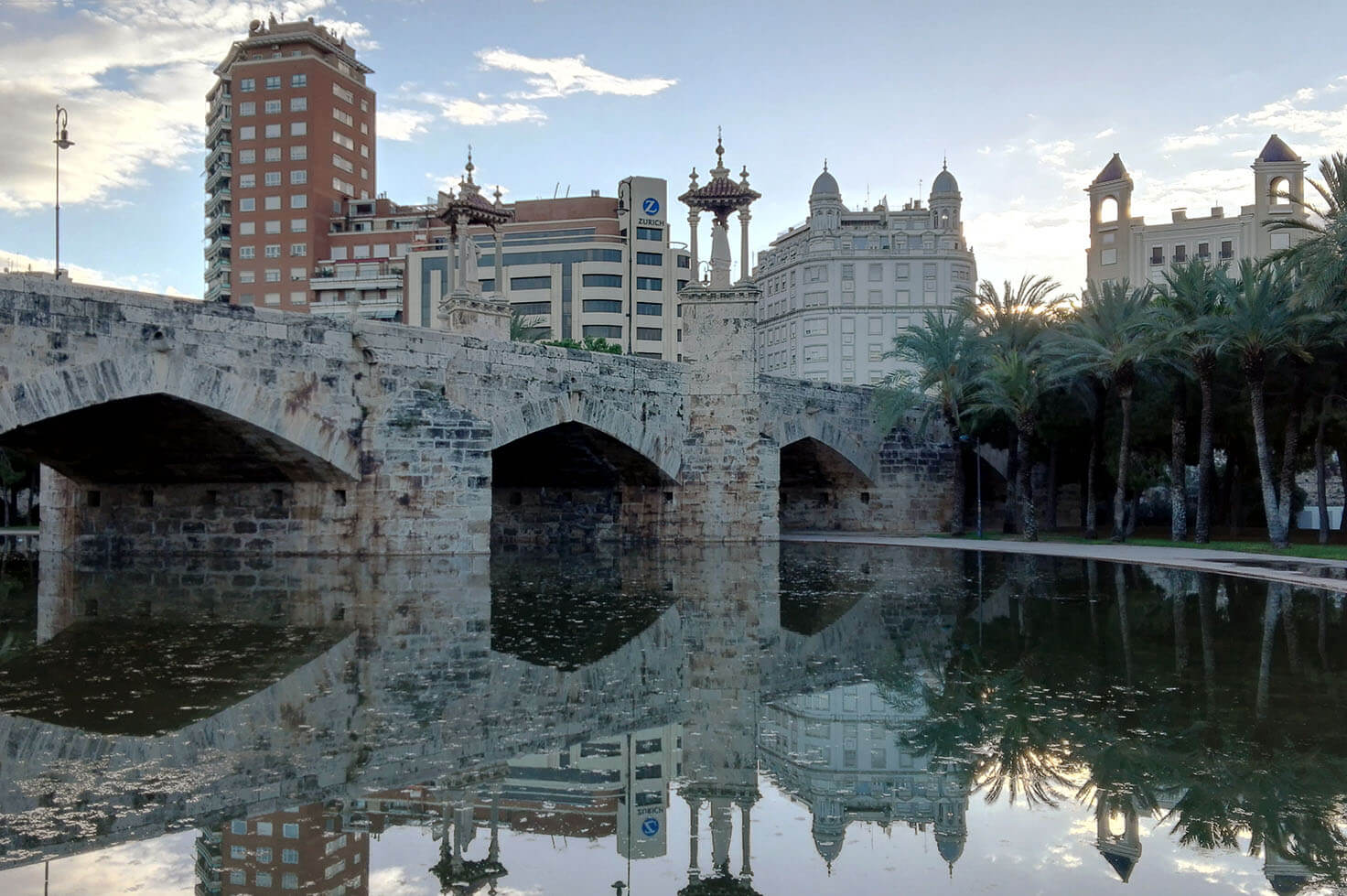
Valencia is home to one of Spain’s longest urban parks, the Turia Gardens. The park is located in the old riverbed of the Turia River, which was rerouted after the great flood of 1957.
The park stretches for 8.5 km (5 miles), starting at the Bioparc Valencia, passing north of the Old Town, and ending at the City of Arts and Sciences.
You can walk or bike along its entire length. We recommend renting a bicycle from Ecobikerent, next to Torres de Serranos. Don’t miss the colorful Gulliver Park along the way.
Visit the City of Arts and Sciences
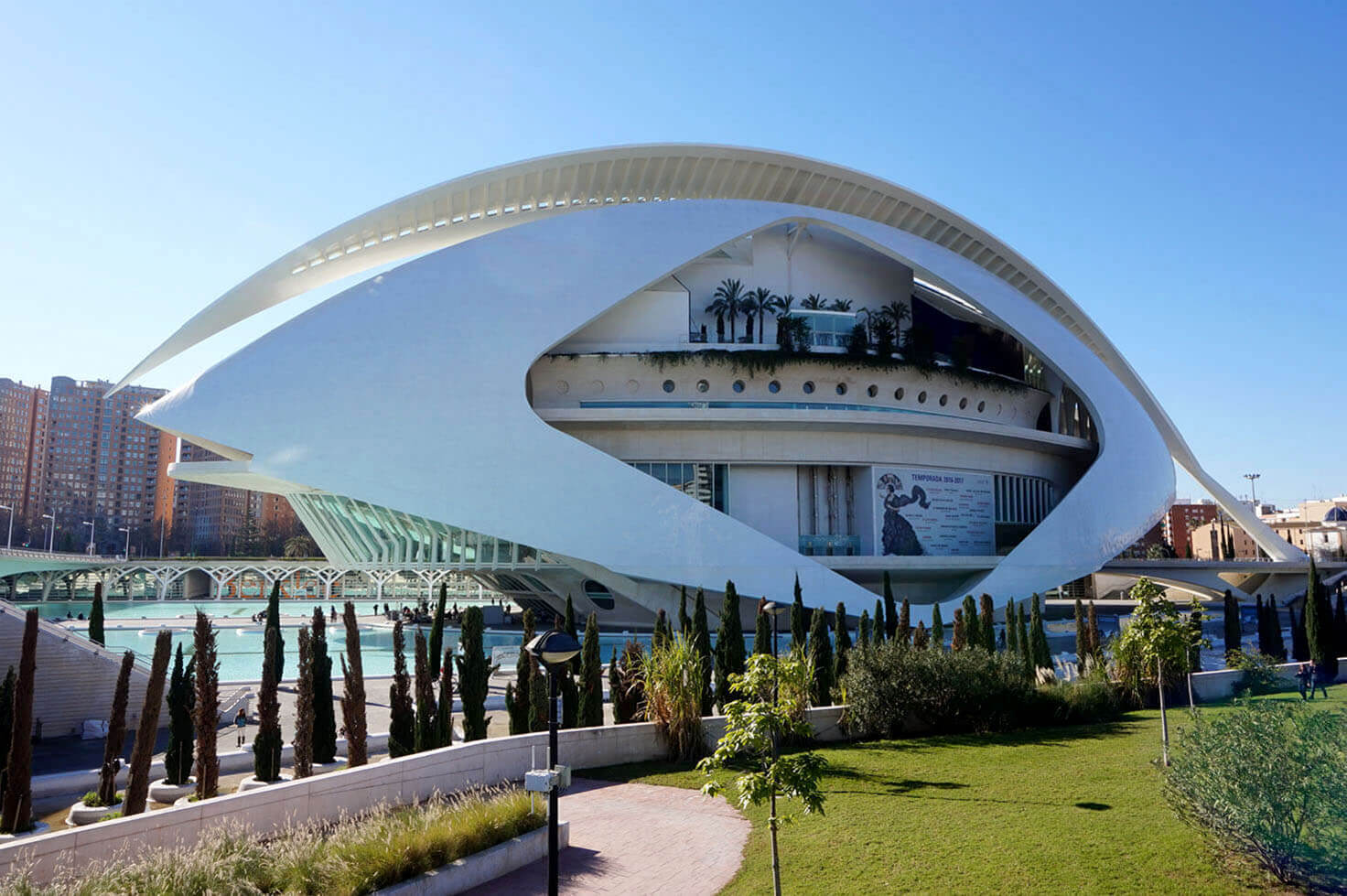
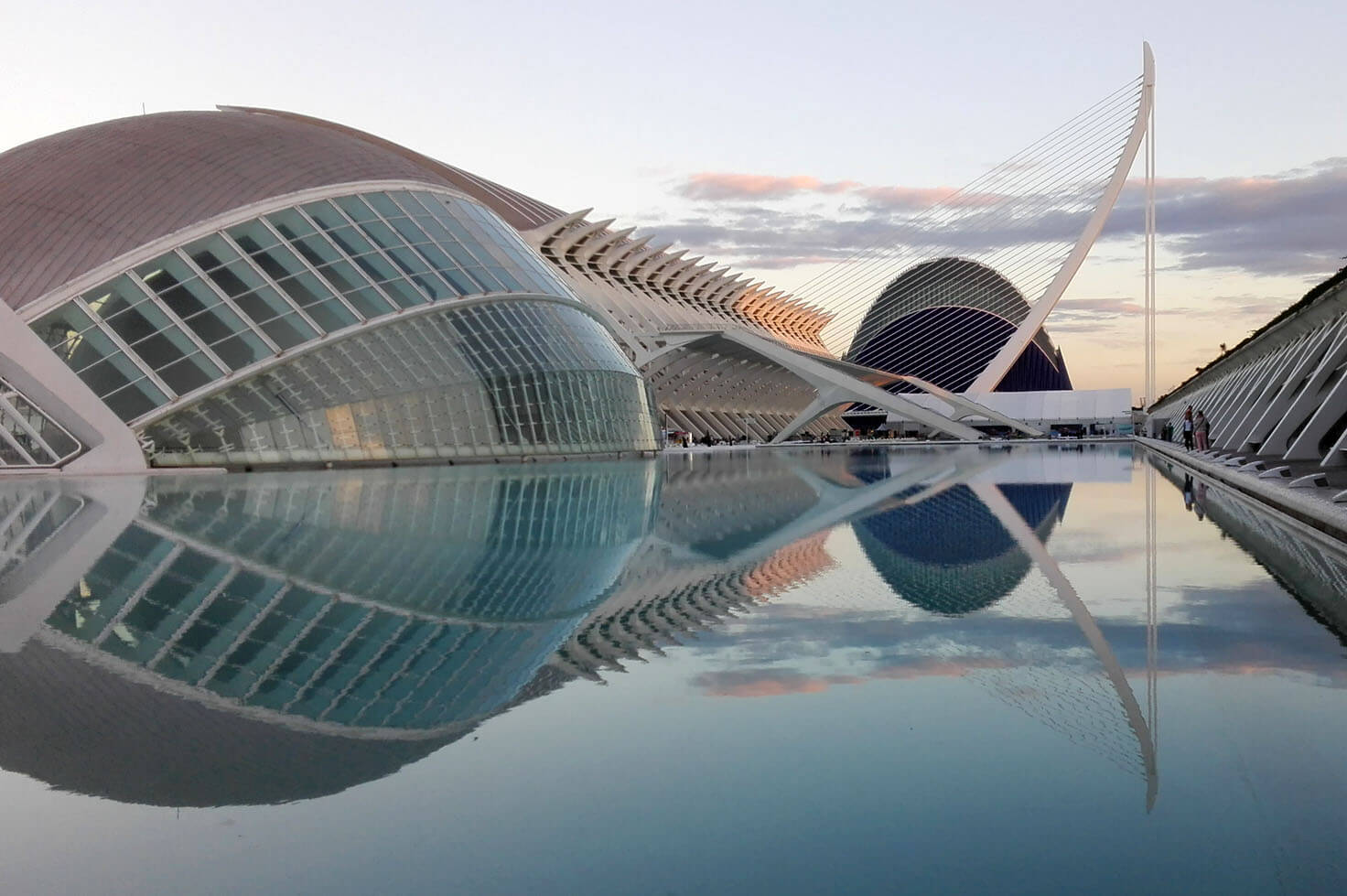
Not everything in Valencia is old. The city also boasts one of the world’s most spectacular examples of contemporary architecture: the City of Arts and Sciences.
Designed by renowned local architect Santiago Calatrava, it opened in 1998, though some buildings were completed later.
Today, it includes four main structures: Palau de les Arts Reina Sofía, Hemisfèric, Museu de les Ciències Príncipe Felipe, and L’Àgora. There are also large pools and the lush L’Umbracle garden. You can walk or bike around the entire complex.
Spend Time on the Beach
Whether you visit Valencia in winter or summer, make time for city’s beaches. The three urban beaches stretch for about 4 km (2.5 miles).
Las Arenas is the closest to the city center and therefore the busiest, especially in summer. The luxurious Las Arenas Balneario Resort is located here.
If you prefer quieter spots, head to nearby Malvarrosa Beach or the semi-wild Patacona Beach. A lovely seaside promenade runs along Malvarrosa. As mentioned above, the neighboring El Cabanyal neighborhood is full of colorful street art.
Get Out of the City
If you have extra time, we strongly suggest venturing beyond the city. The Valencian Community is not that big, and you can even reach nearby Castile–La Mancha by fast train.
Nature lovers should visit Albufera Natural Park, an easy day trip from Valencia. Trains and buses drop you near the park, but you’ll need a taxi to reach it. Or you can join an organized tour.
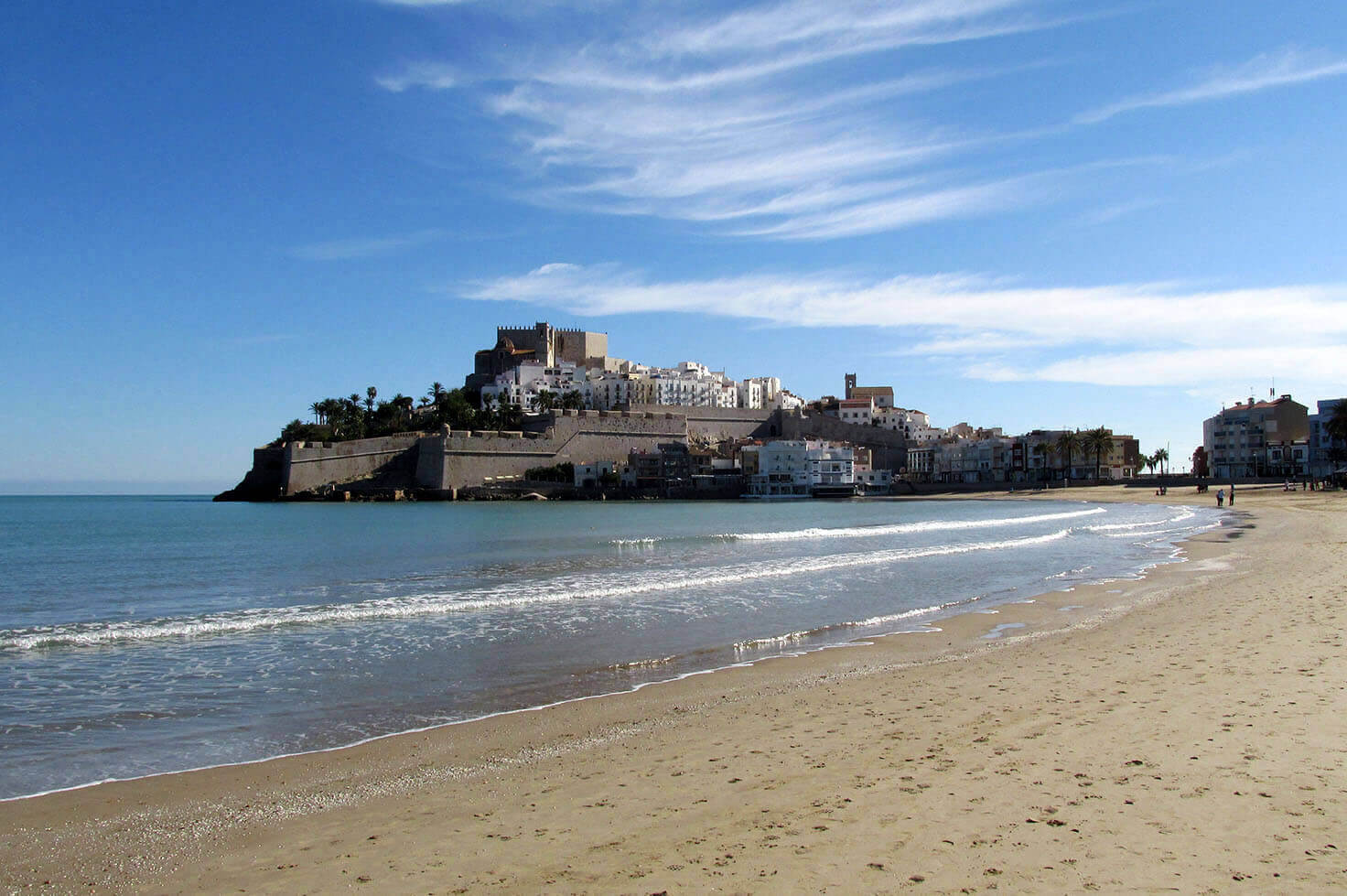
History lovers will enjoy nearby historic towns. Our favorites are Sagunt and Peñíscola in the Valencian Community, and Cuenca in Castile–La Mancha.
Where to Stay in Valencia
The best places to stay in Valencia are in or around the Old Town. Our favorite is The Valentia Cabillers, located next to the Cathedral, with a rooftop offering some of the best views in the city.
Another great option is MYR Puerta Serranos, right next to the historic towers. Some if its rooms directly overlook the towers.
If you prefer the trendy Russafa district, stay at One Shot Puerta Ruzafa. Located just two minutes from the Estació del Nord train station, it is the perfect base for exploring Valencia and beyond.