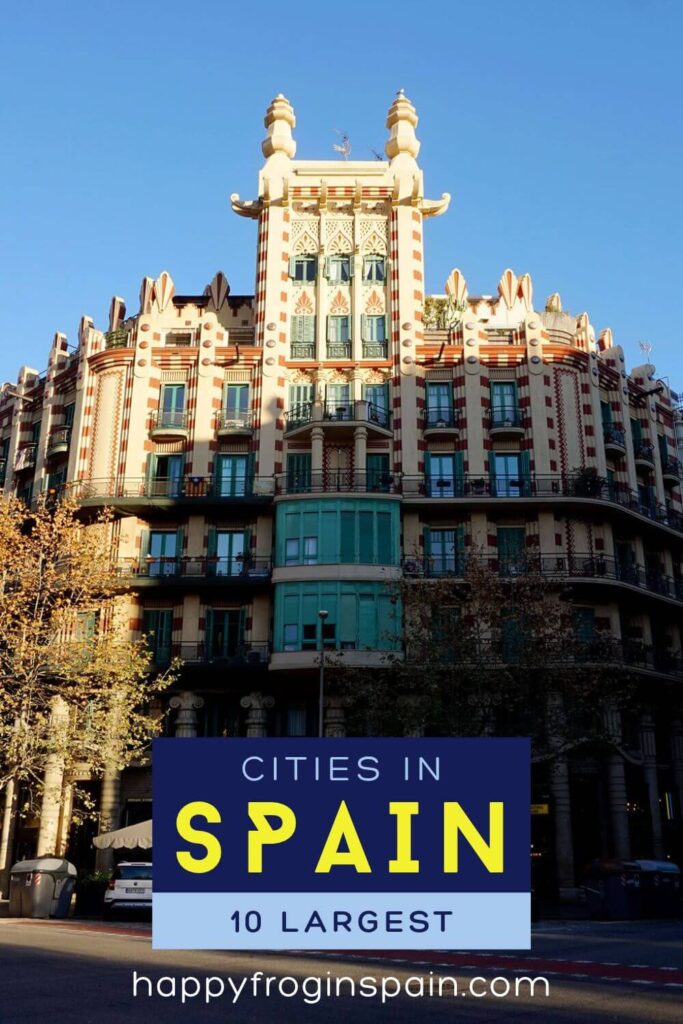
The 10 Biggest Cities in Spain: Which Ones Are Worth Visiting?
Spain is home to some of the most beautiful cities in the world. This is especially true when we talk about its biggest cities, such as Madrid, Barcelona, Valencia, and Seville. However, there are plenty of other cities worth visiting.
The biggest cities in Spain boast outstanding architecture, wonderful museums, splendid parks, great bars and restaurants, and fantastic clubs. Those on the coast also offer great beaches.
All the cities on this list are worth visiting, though that doesn’t mean they are equally attractive. The four mentioned above top the list, but they also tend to be crowded. So, if you want to avoid the crowds, you should head to Zaragoza or Murcia.
Madrid
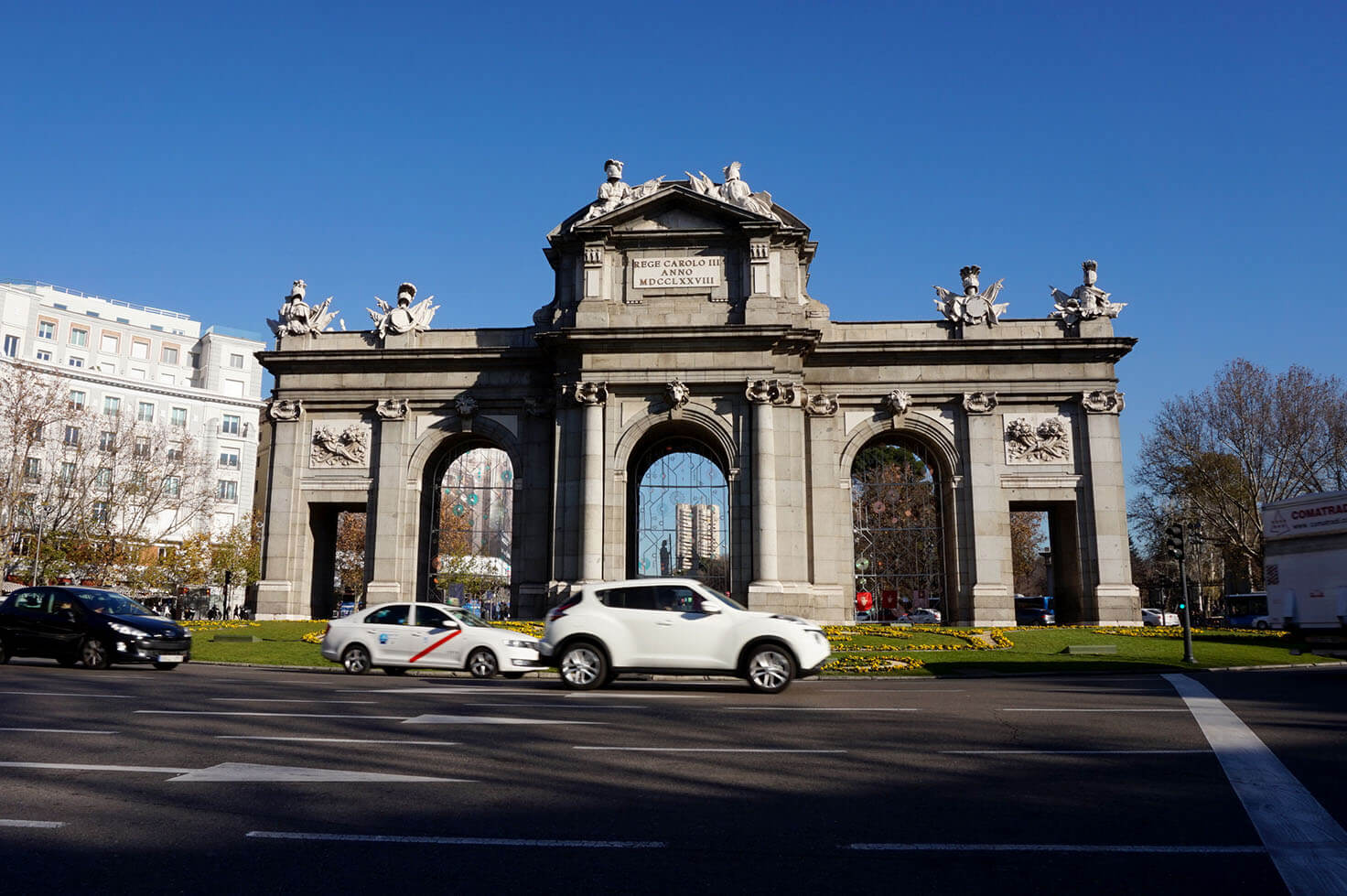
Madrid is Spain’s capital and its largest city. It is also one of Europe’s most fascinating capitals, with grand avenues, historic neighborhoods, outstanding museums, and beautiful parks.
Madrid is home to some of the world’s best museums. The Prado, Reina Sofía, and Thyssen-Bornemisza are the most famous ones, but there are 90 other museums to choose from.
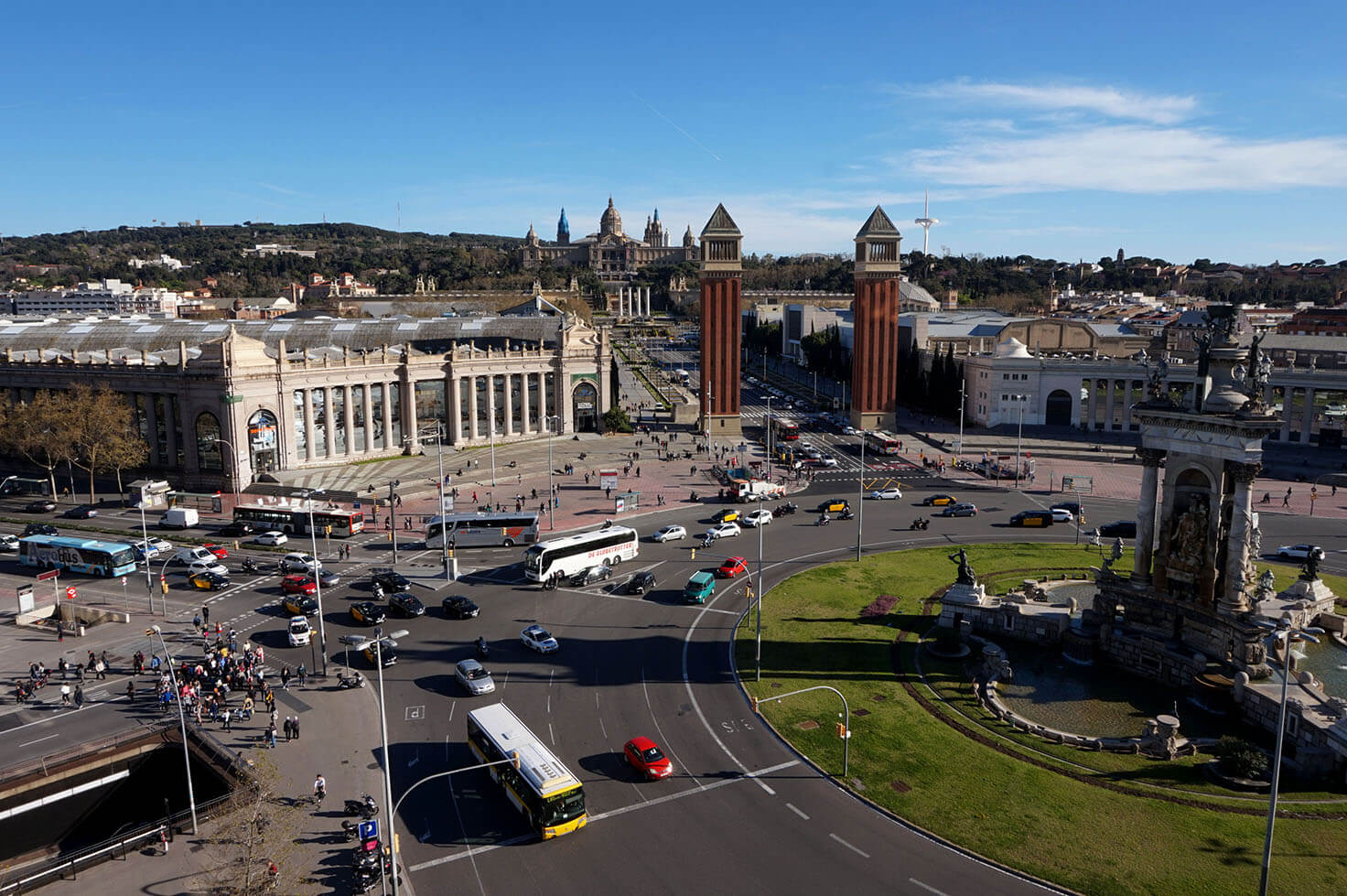
The Royal Palace, Retiro Park, and San Miguel Market are some of its main highlights. You should also not miss its charming squares, such as Plaza Mayor, Puerta del Sol, and Plaza de España.
Barcelona
Barcelona is Spain’s second-largest city and its tourism champion. The city has become so popular that many locals have started a ‘Tourists Go Home’ campaign. Tourists love it for its great weather, delicious food, and lively nightlife.
Barcelona is known for three things: Europe’s largest Old Town, Catalan Modernism, and the beach. The Gothic Quarter is the city’s heart and soul, Gaudí spent much of his life here, and since 1992, Barcelona has offered 4 km (2.5 miles) of sandy beaches.
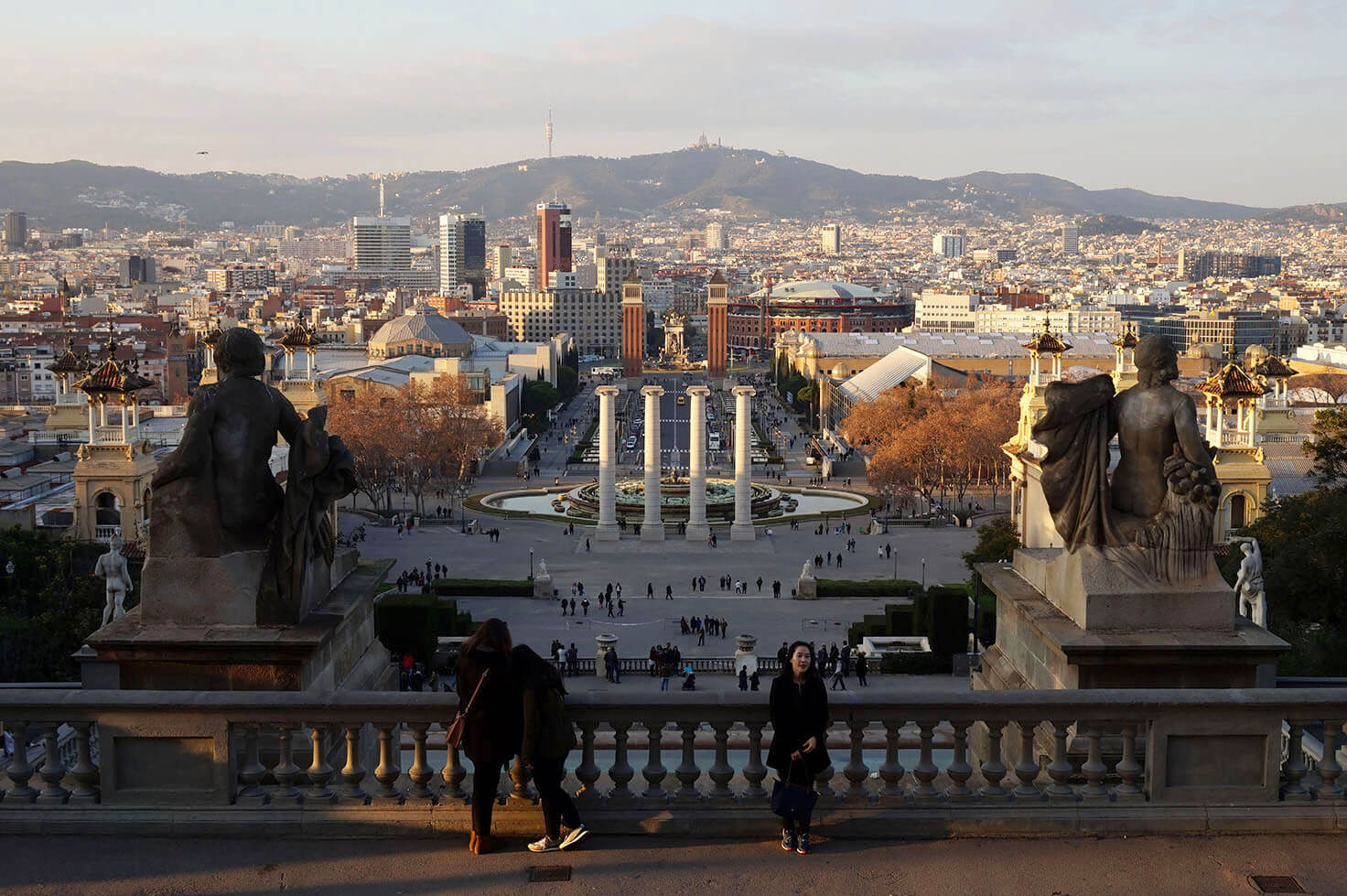
Casa Milà, Casa Batlló, and the Sagrada Família are the three most iconic buildings. Park Güell, Montjuïc, and Parc de la Ciutadella are its nicest parks. La Rambla and Passeig de Gràcia are its most famous streets.
Valencia
The third-largest city in Spain, Valencia is a wonderful city on the Mediterranean coast. In recent years, many tourists tired of Barcelona have chosen Valencia for their holidays.
Valencia’s Old Town is the city’s heart and soul. There’s a beautiful Modernist neighborhood to the southeast, followed by fantastic contemporary architecture, and a 3 km (2-mile) stretch of beach.
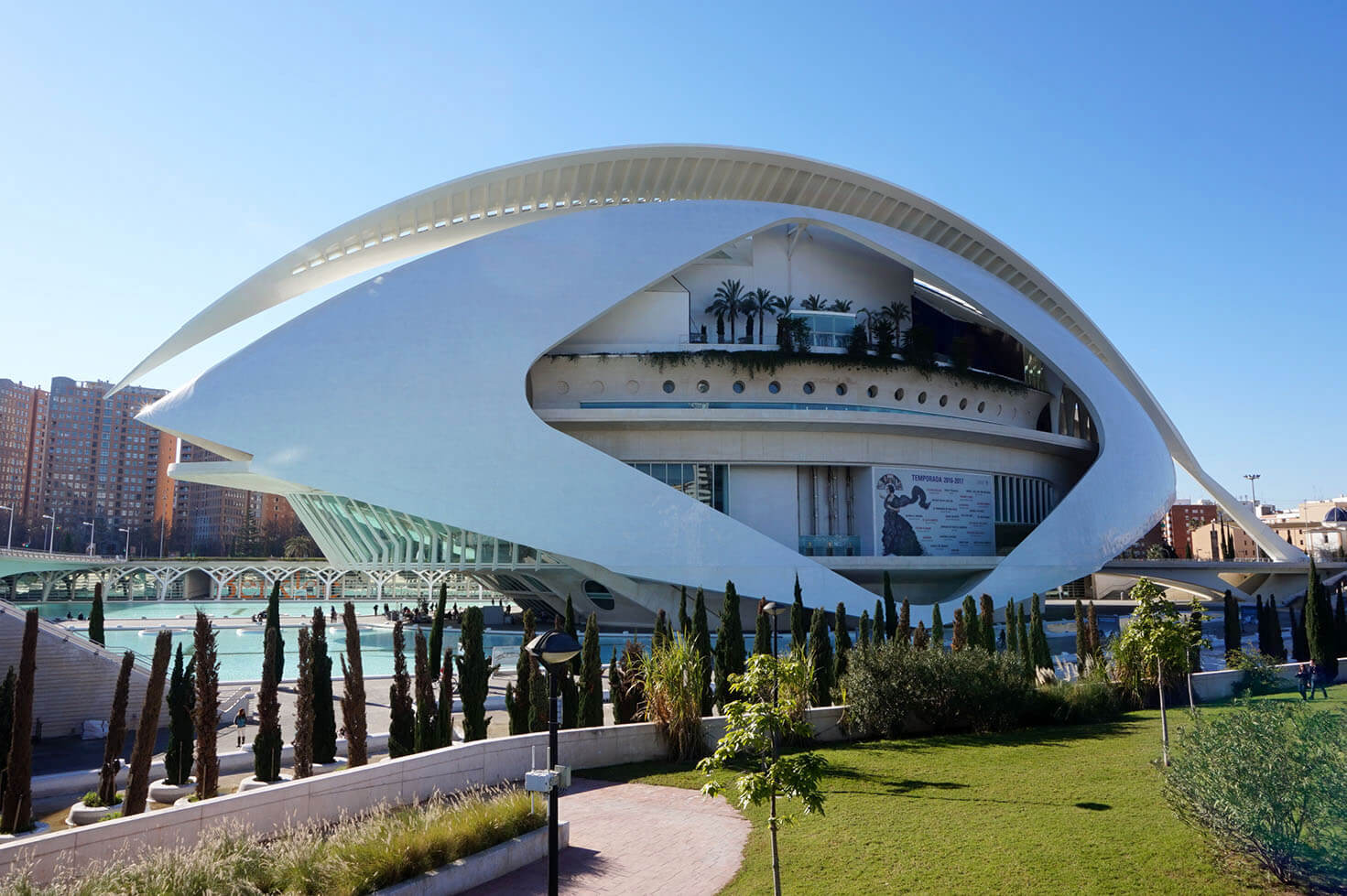
The Turia Gardens occupy the former riverbed and are now a large urban park. The Cathedral, the Lonja de la Seda, and the Central Market are the city center’s main highlights. The City of Arts and Sciences is its main contemporary attraction.
Zaragoza
Zaragoza used to be Spain’s fifth-largest city, but in recent years, it has overtaken Seville to become the fourth-largest. It’s a gorgeous city that still remains somewhat off the tourist radar.
Zaragoza is known for its impressive Cathedral-Basilica of Our Lady of the Pillar, the oldest church in the world dedicated to the Virgin Mary. The city is also home to impressive Mudéjar churches and fantastic contemporary architecture.
Other highlights include La Seo Cathedral, Aljafería Palace, and the remains of Caesaraugusta. Among the city’s top contemporary sites, the Zona Expo, IAACC Pablo Serrano, and CaixaForum Zaragoza stand out.

Seville
According to many, Seville is Spain’s most beautiful big city. The capital of Andalusia offers layers of heritage, from Roman and Moorish to Gothic, Renaissance, and Baroque. It is also a city full of culture and the birthplace of flamenco.
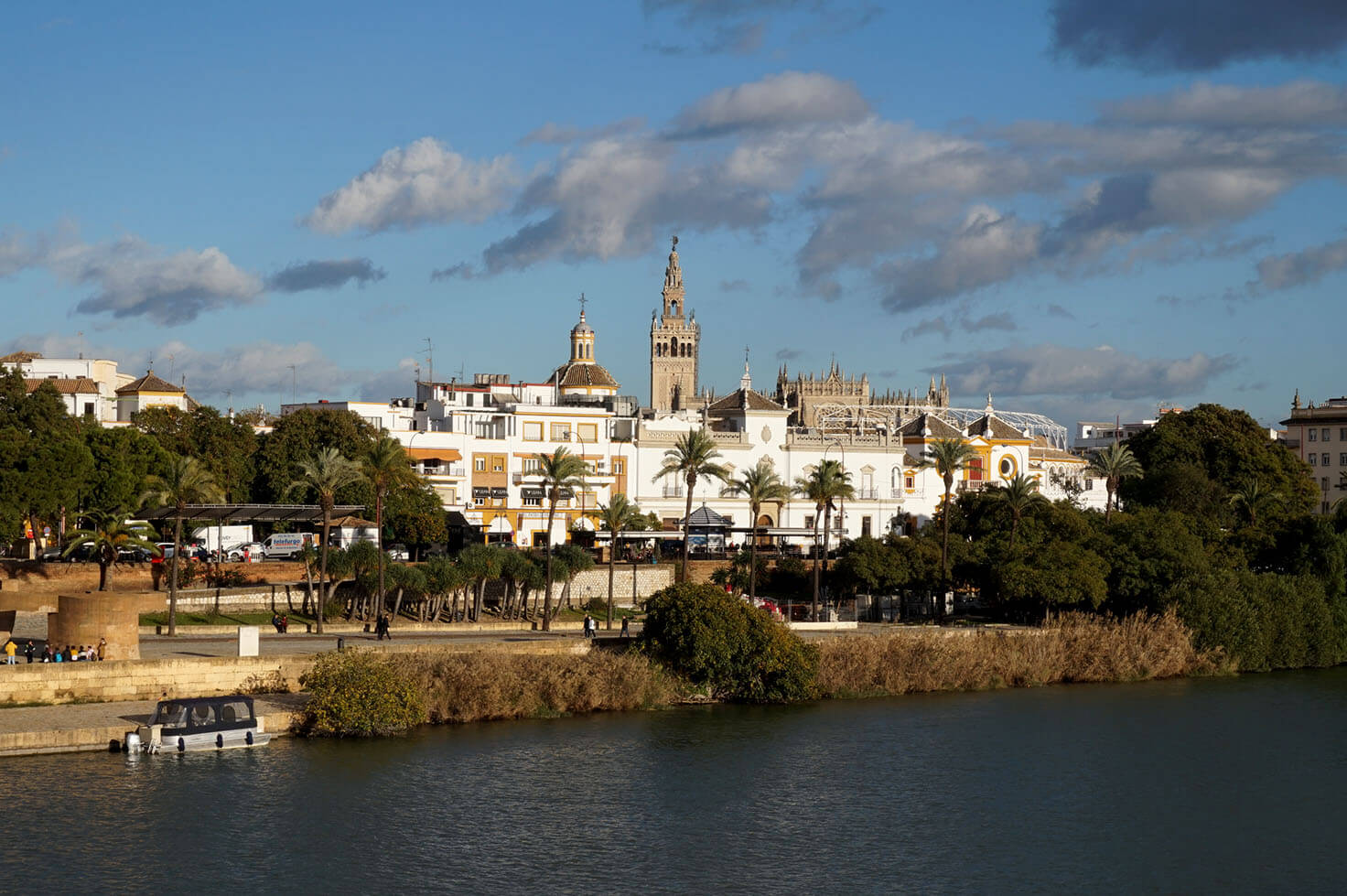
Seville is home to one of the world’s nicest Old Towns. It’s a labyrinth of small streets and squares where every place tells a story. There is a beautiful riverside promenade, an outstanding park, and great contemporary architecture.
The Cathedral, the Alcázar, and the Santa Cruz neighborhood are the highlights of the Old Town. Plaza de España, with the adjacent María Luisa Park, is one of Spain’s most impressive squares. The Setas de Sevilla and the Expo Area are masterpieces of contemporary architecture.
Malaga
Malaga is often overshadowed by Andalusia’s three most spectacular cities: Seville, Córdoba, and Granada. However, the city is not only really beautiful, but also offers very nice beaches. Because of that, it has always been one of the country’s most popular cities.
Malaga is known for its Roman and Moorish architecture, breathtaking views, and large number of first-class museums. The city is the birthplace of Pablo Picasso and is home to 14 km (9 miles) of beaches.
The three main historical sites are the Alcazaba fortress, Gibralfaro Castle, and the Roman Theatre. Malaga Cathedral is a masterpiece of Renaissance architecture. The Centre Pompidou Málaga and the Carmen Thyssen Museum are among the city’s most famous museums.

Murcia
Of all the cities on this list, Murcia is the least famous. For centuries, it was the center of an agricultural region, living on the shadow of nearby Valencia and Andalusia. It is also the least crowded of all the cities on this list.
Murcia has a nice Old Town, with a river passing through it and an impressive castle on a hill just outside the city. The city is a great place to try tapas, and there are several festivals worth visiting, including the Burial of the Sardine.
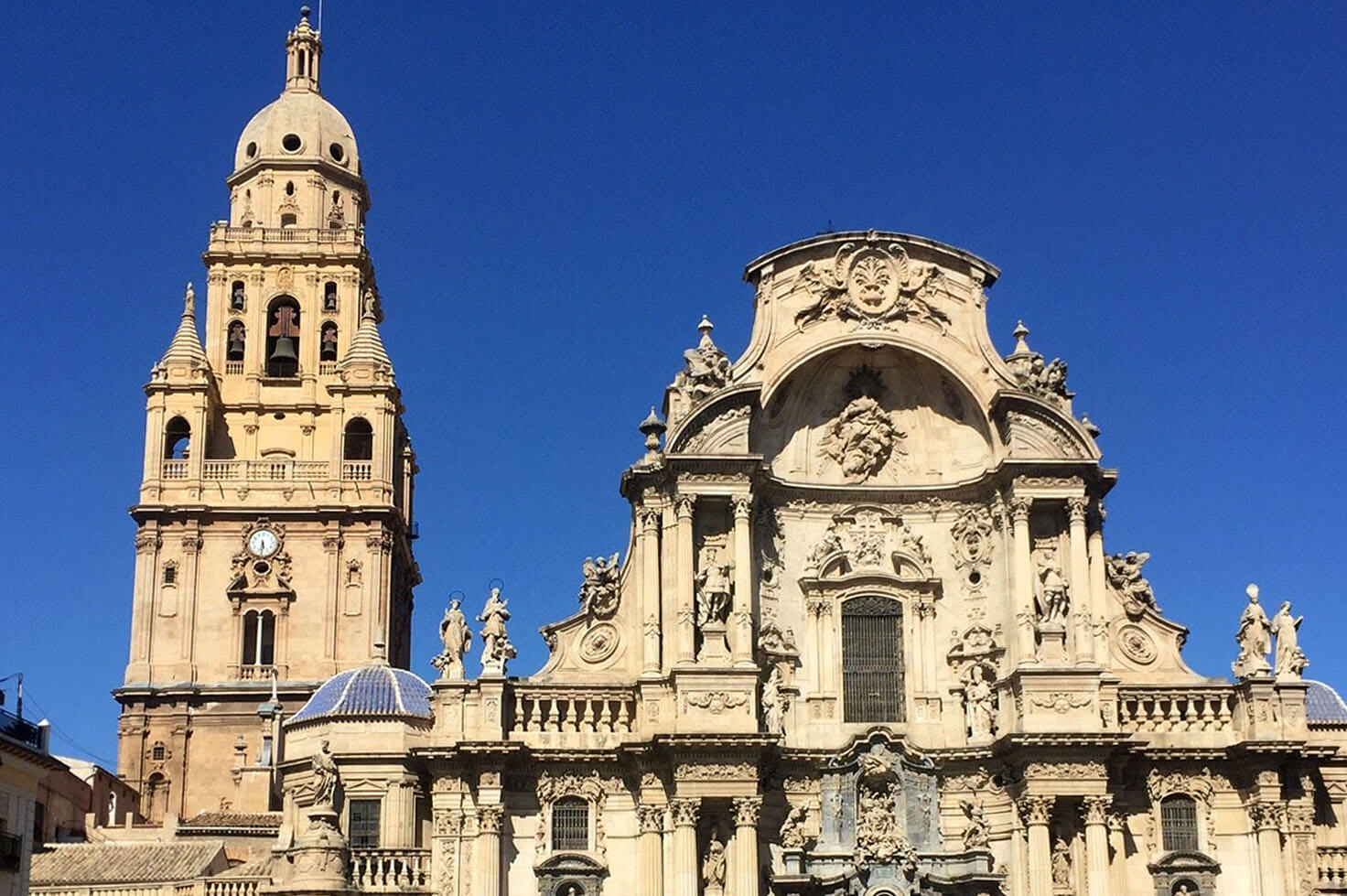
The Cathedral is by far the city’s most famous sight. It is a masterpiece combining Gothic, Renaissance, and Baroque styles, and its tower is the second tallest in Spain (after the Giralda in Seville).
Palma
Palma de Mallorca is the capital and largest city of the Balearic Islands. It is a beautiful mid-sized city with a charming Old Town, an impressive cathedral, and long beaches.
Palma’s Old Town is a large area filled with historic architecture and Modernist palaces. There are leafy boulevards, hidden squares, and stunning architecture. The impressive Serra de Tramuntana is just a short distance away.
Palma Cathedral is the city’s most impressive sight. Other important places include the Royal Palace of La Almudaina, the Arab Baths, and Castell de Bellver. Among its numerous museums, the best are Es Baluard and Fundació Miró Mallorca.

Las Palmas
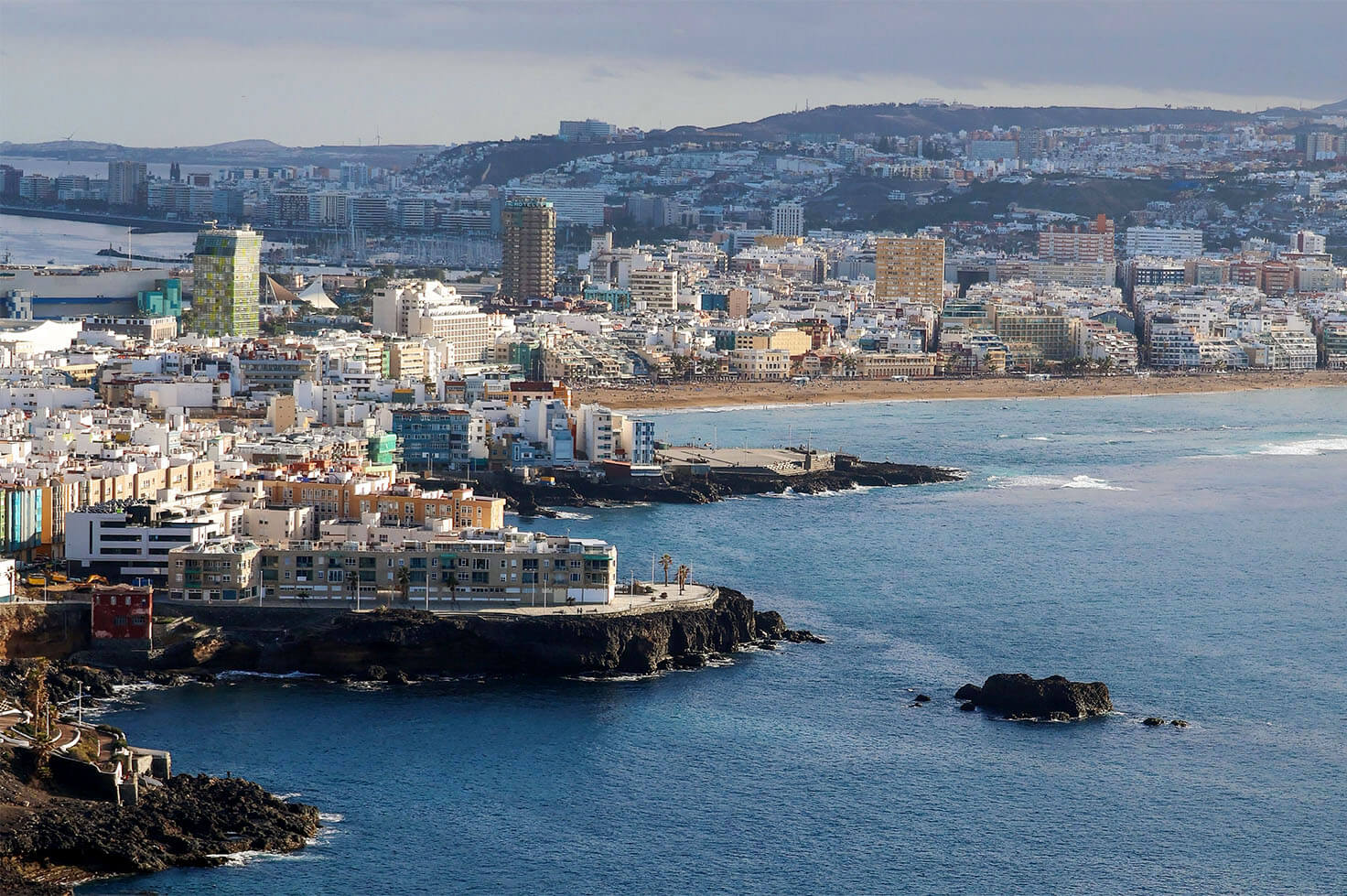
Las Palmas de Gran Canaria is the capital and largest city of the Canary Islands. The city has a very interesting shape, with part of it occupying a large peninsula and the rest extending along the Atlantic coast.
Las Palmas is known for its historic neighborhoods. Vegueta is home to impressive colonial architecture, while Triana features stunning examples of Modernism. There is also a 3 km (2-mile) stretch of beach along the western coast.
The city’s three main attractions are Santa Ana Cathedral, Casa de Colón, and Castillo de La Luz. The Jardín Botánico Canario Viera y Clavijo is Spain’s largest botanical garden.
Alicante
We close our list with the coastal city of Alicante. Less famous than its neighbor Benidorm, it is actually far more interesting.
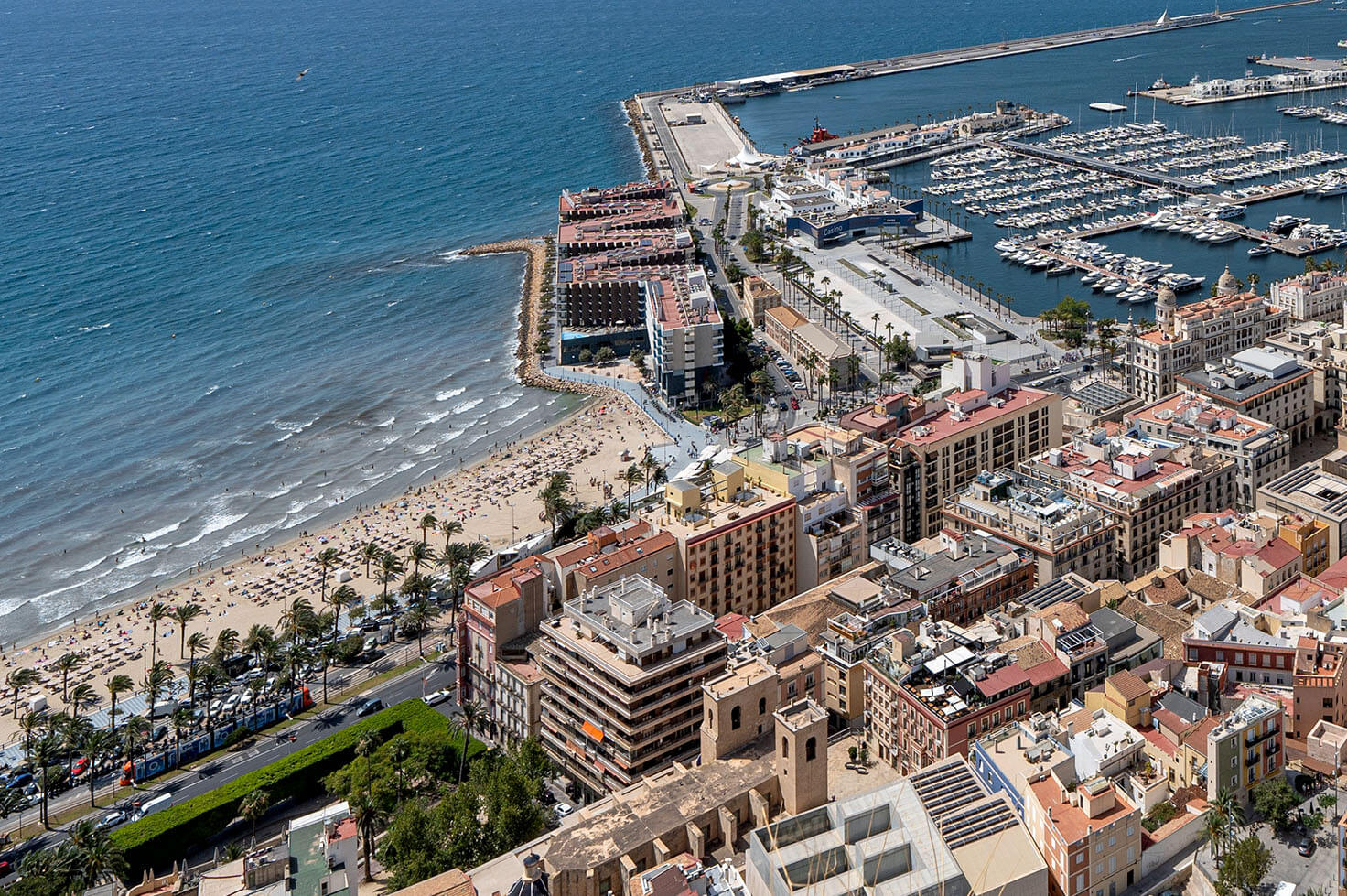
Alicante is a mid-sized Mediterranean city with a beautiful Old Town, a lovely waterfront, and an impressive castle overlooking the city. There are 15 km (9 miles) of beaches in the surrounding area.
The city’s most important sites are Castillo de Santa Bárbara, the Basílica de Santa María, and the Santa Cruz neighborhood. The Explanada de España is Alicante’s famous seaside promenade.